
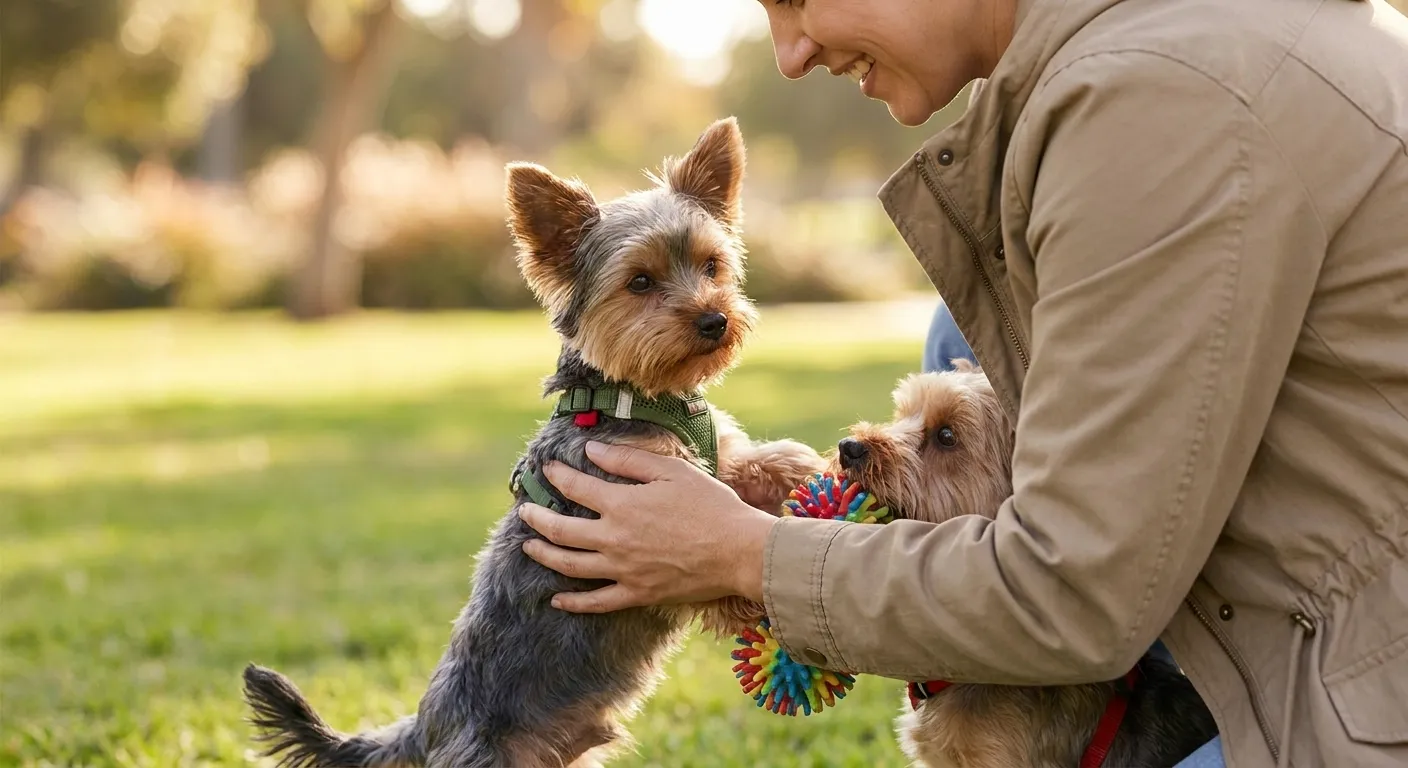
Bringing a Yorkshire Terrier puppy into your home is an incredible joy, but it also comes with the responsibility of shaping their future temperament. Early yorkie puppy socialization is not just about introducing them to other dogs; it’s about exposing them to a variety of sights, sounds, people, and experiences in a positive, controlled manner. This crucial period, typically between 3 and 16 weeks of age, lays the groundwork for a confident, friendly, and well-adjusted adult Yorkie, preventing common behavioral issues often seen in small breeds. Consequently, prioritizing this stage is essential for a happy life together.
Why Socialization is Crucial for Your Yorkie Puppy
Yorkies, despite their small stature, possess big personalities. Without proper socialization, they can become overly timid, anxious, or even aggressive towards strangers, other animals, or new environments. This phenomenon, sometimes called ‘small dog syndrome,’ can manifest as excessive barking, fear-biting, or general reactivity. Proper socialization helps your Yorkie:
- Develop confidence: They learn that new experiences aren’t scary.
- Reduce fear and anxiety: Familiarity with diverse stimuli lessens their stress response.
- Prevent aggression: Positive interactions teach appropriate social cues.
- Enhance adaptability: They become more comfortable in various situations, from vet visits to travel.
Moreover, a well-socialized Yorkie is generally a happier dog. They are less stressed by new situations and more open to learning. This, in turn, strengthens the bond you share, as they trust you to guide them through new experiences safely. Therefore, investing time in this process yields significant long-term benefits.
The Prime Socialization Window: What Science Says
Veterinary behaviorists emphasize the critical socialization period, which begins around 3 weeks of age and typically closes by 12-16 weeks. During this time, a puppy’s brain is highly receptive to new information, forming lasting impressions. Positive exposures during this window are vital. While socialization can continue throughout a dog’s life, the impact is most profound during puppyhood. In fact, studies show that puppies exposed to a variety of positive stimuli during this critical period are less likely to develop fear-related behaviors later on. For more detailed insights into canine development, consider resources from the American Veterinary Medical Association.
Key Pillars of Effective Yorkie Puppy Socialization
1. Introduce to Diverse People
Your Yorkie puppy should meet a wide range of people: men, women, children, people wearing hats, glasses, or carrying umbrellas. Ensure these interactions are always positive. Have visitors offer a small treat and gentle pets, avoiding overwhelming the tiny pup. Teach children how to interact gently and respectfully with a small dog. Furthermore, introduce them to people of different ages, sizes, and ethnicities. This broad exposure helps prevent them from becoming fearful of specific types of individuals. Remember, every encounter should be calm and positive, associating new people with good experiences.
2. Positive Exposure to Other Dogs
While protecting your puppy’s health (ensuring they have their initial vaccinations), seek out opportunities for supervised play with healthy, vaccinated, temperamentally sound adult dogs or other puppies. Puppy classes are excellent for this, providing a safe and structured environment. Avoid dog parks until your Yorkie is fully vaccinated and has demonstrated good social skills. Instead, arrange controlled playdates with trusted friends’ dogs. This allows for positive interactions without the overwhelming nature of a public dog park. Always supervise closely to ensure interactions remain friendly and appropriate for a small breed.
3. Acclimate to Various Environments and Sounds
Expose your Yorkie to different settings: car rides, busy streets (from a safe distance), parks, and even short, positive visits to pet-friendly stores. Introduce them to common household sounds like vacuum cleaners, hairdryers, and doorbells. You can also play sound desensitization tracks online that feature various noises like thunderstorms or sirens at a low volume, gradually increasing it. The goal is to make these experiences mundane, not frightening. For instance, a short car ride to a quiet park can be a wonderful positive experience, associating travel with fun. Additionally, consider introducing them to different surfaces, such as grass, concrete, and carpet, which helps build their confidence in varied terrains.
4. Introduce Novel Objects and Textures
Beyond environments, present your Yorkie puppy with a variety of safe objects. Let them investigate different textures like crinkly toys, soft blankets, or even a cardboard box. This encourages curiosity and reduces fear of new items. For example, a new puzzle toy can introduce a novel shape and texture while also providing mental stimulation. Always ensure objects are puppy-safe and non-toxic. Furthermore, allow them to explore various types of chew toys to get accustomed to different materials and strengths, which is also beneficial for their dental health.
5. Handling and Grooming Acclimation
Regularly handle your puppy’s paws, ears, mouth, and tail from a young age. This makes grooming, nail trims, and vet visits much less stressful later on. Make it a positive experience with gentle praise and treats. For example, gently touch their paws, then immediately give a small reward. This helps them associate handling with pleasant outcomes. Moreover, introduce them to the sounds and sensations of grooming tools, such as a soft brush or a quiet electric trimmer, well before they need a full grooming session. This proactive approach ensures a calmer grooming routine throughout their life. This is a crucial aspect of overall Yorkie care.
6. Positive Reinforcement is Key
Throughout all socialization efforts, use positive reinforcement. Reward brave behavior with treats, praise, and gentle petting. Never force your puppy into a situation they find frightening. Instead, create a safe distance and gradually reduce it as they become more comfortable. For instance, if your puppy is nervous about a new sound, play it softly and reward calm behavior. This builds trust and encourages them to explore the world with you as their guide. Positive reinforcement makes the entire process enjoyable for your little companion.
7. Puppy Classes and Structured Play
Enrolling your Yorkie in a well-regarded puppy class is one of the best investments you can make. These classes offer a controlled environment for proper yorkie puppy socialization with other puppies and people, under the guidance of experienced trainers. They also provide valuable training tips and address common puppy behaviors. Look for classes that prioritize positive reinforcement and offer ample supervised playtime. This structured setting ensures that initial social interactions are positive and educational, setting a strong foundation for future social skills. It also provides an opportunity for you to learn more about canine behavior and training.
8. Veterinary Visits and Health Considerations
Before embarking on extensive socialization, consult your veterinarian. They can advise you on appropriate vaccination schedules and safe environments for your young puppy. While it’s important to socialize early, protecting your puppy from diseases like parvovirus and distemper is paramount. Your vet can provide guidance on balancing these needs. Furthermore, make early vet visits positive experiences. Bring treats, allow your pup to explore the exam room, and ensure the vet and staff are gentle. These initial positive interactions can significantly reduce future vet-related anxiety.
Common Socialization Mistakes to Avoid
Even with the best intentions, owners can sometimes make errors that hinder effective socialization. Being aware of these pitfalls can help you ensure your Yorkie receives the best possible start.
- Overwhelming your puppy: Too many new experiences at once can be frightening. Introduce new things gradually and keep sessions short.
- Forcing interaction: Never push your puppy into a situation or interaction they are clearly uncomfortable with. This can create lasting fear.
- Lack of consistency: Socialization isn’t a one-time event; it’s an ongoing process, especially during the critical window.
- Ignoring fear signals: Pay attention to your puppy’s body language. Lip licking, yawning, tail tucking, or trying to hide are signs of stress.
- Waiting too long: The critical socialization window closes quickly. Start as soon as your vet gives the green light.
Avoiding these common mistakes ensures that your Yorkie’s social development is a positive and enriching journey. Furthermore, understanding your puppy’s individual personality and adjusting your approach accordingly is vital. Some Yorkies may be naturally bolder, while others might need a slower, more patient introduction to new stimuli.
Continuing Socialization Beyond Puppyhood
While the puppy phase is crucial, socialization doesn’t end at 16 weeks. Continue to expose your adult Yorkie to new, positive experiences throughout their life. This reinforces their confidence and adaptability. Regularly visit new places, meet new people, and maintain supervised positive interactions with other well-behaved dogs. Even a quick trip to a pet-friendly cafe can be a wonderful continued socialization opportunity for your adult Yorkie. Remember, a confident dog is a happy dog, and ongoing exposure helps maintain that confidence. This continuous effort supports a well-adjusted and joyful life for your companion.
Consider joining local dog walking groups or participating in dog-friendly events. These activities offer structured opportunities for your Yorkie to interact with new dogs and people in a fun, relaxed setting. Moreover, regularly practicing basic obedience commands in various environments can also be a form of ongoing socialization, as it teaches your dog to focus on you amidst distractions. Therefore, integrating these practices into your routine is highly beneficial. For instance, ensuring they have an ID tag and GPS tracker can provide peace of mind during these outings.
Benefits of a Well-Socialized Yorkie
The efforts you put into yorkie puppy socialization will pay dividends for years to come. A well-adjusted Yorkie is:
- Less prone to behavioral problems: Reduced barking, anxiety, and aggression.
- Easier to manage: More adaptable to vet visits, travel, and new routines.
- Happier and more confident: They enjoy new experiences rather than fearing them.
- A joy to be around: A friendly and calm companion for you and your family.
- Safer in various situations: Less likely to react fearfully or defensively to unexpected encounters.
Ultimately, a properly socialized Yorkie integrates seamlessly into family life and becomes a delightful companion in any situation. The foundation you build during puppyhood creates a resilient and joyful dog. Furthermore, it allows for a richer experience for both you and your pet, opening up possibilities for adventures and shared moments without the stress of fear or reactivity. This investment in their early development is truly an investment in a lifetime of happiness together.
Remember that every interaction, whether with a person, another animal, or a new environment, shapes your Yorkie’s perception of the world. By making these experiences overwhelmingly positive, you are nurturing a confident and well-adjusted companion. This diligent approach to early exposure is the cornerstone of a balanced and happy life for your beloved Yorkshire Terrier. Therefore, embrace this period with patience, consistency, and plenty of positive reinforcement.
Conclusion
Yorkie puppy socialization is one of the most important responsibilities you have as a new Yorkie owner. By thoughtfully exposing your puppy to a diverse range of positive experiences during their critical developmental window, you are not just preventing behavioral issues; you are actively building the foundation for a confident, friendly, and adaptable adult dog. This commitment ensures a harmonious life for both you and your beloved Yorkshire Terrier. Prioritize these early interactions, make them fun and positive, and watch your little Yorkie blossom into a well-adjusted and joyful member of your family. The rewards of this effort will be a lifetime of companionship with a happy and confident dog. For further reading on dog behavior and training, reputable organizations like the ASPCA offer excellent resources.
FAQ
What is the best age to start socializing a Yorkshire Terrier puppy?
The optimal time to begin exposing your Yorkshire Terrier puppy to new experiences is between 3 and 16 weeks of age. This period is crucial for their development, as their brains are highly receptive to new information, forming lasting impressions that shape their adult temperament.
How can I safely introduce my young Yorkie to other dogs?
Ensure your Yorkie has their initial vaccinations, then arrange supervised playdates with healthy, vaccinated, and temperamentally sound adult dogs or other puppies. Puppy classes are an excellent option for controlled, safe interactions. Avoid public dog parks until they are fully vaccinated and show good social skills.
What are some important sounds to introduce to my puppy?
Acclimate your puppy to common household sounds like vacuum cleaners, doorbells, and hairdryers. You can also play desensitization tracks with sounds like thunderstorms or sirens at a low volume, gradually increasing it. The goal is to make these noises seem normal and non-threatening.
How do I make vet visits less stressful for my little dog?
Start with positive, short visits to the vet’s office where your puppy receives treats and praise without necessarily undergoing an exam. Gently handle their paws, ears, and mouth at home regularly, associating it with rewards. This helps them feel more comfortable with handling during actual appointments.
Can an older Yorkie still be socialized?
While the critical window for initial exposure closes around 16 weeks, socialization is an ongoing process throughout a dog’s life. Older Yorkies can certainly learn to be more comfortable in new situations, though it may take more time and patience. Consistent positive reinforcement and gradual introductions are key.
What if my Yorkie puppy shows signs of fear during socialization?
If your puppy shows fear (e.g., tail tucked, hiding, trying to escape), immediately remove them from the situation or increase the distance from the stimulus. Never force interaction. Reintroduce the stimulus very gradually, at a lower intensity or from a greater distance, always pairing it with positive reinforcement like treats and praise. The key is to build confidence slowly and ensure all experiences are positive.