
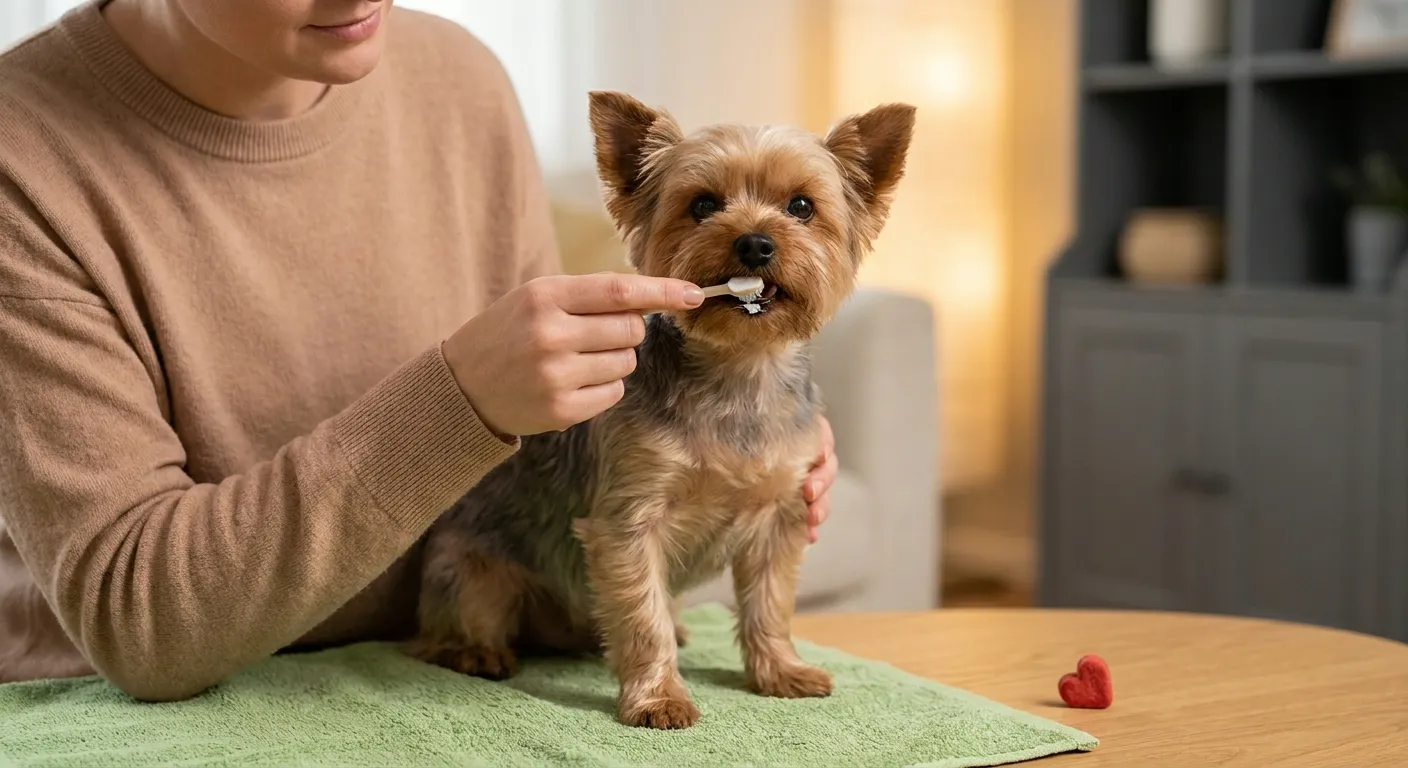
Maintaining excellent Yorkie dental care is paramount for the overall health and longevity of your beloved Yorkshire Terrier. Due to their small mouths, Yorkies are particularly prone to periodontal disease, a progressive condition that can lead to pain, tooth loss, and even systemic health issues if left unaddressed. Understanding the unique challenges Yorkies face and implementing a proactive dental hygiene routine can significantly mitigate these risks, ensuring your furry friend maintains a healthy, happy smile.
Why Yorkies Are Prone to Dental Issues
Yorkshire Terriers’ diminutive size extends to their oral cavity, which often means their teeth are crowded. This crowding creates more surfaces for plaque and tartar to accumulate, making them more susceptible to gingivitis and periodontal disease compared to larger breeds. Additionally, many small breeds, including Yorkies, tend to retain their deciduous (baby) teeth longer than they should, which can exacerbate crowding and trap food particles, further increasing the risk of dental problems. Regular veterinary check-ups are crucial for early detection and intervention, including professional dental cleanings under anesthesia when necessary, to remove hardened tartar below the gum line. For more detailed information on canine dental health, you can consult resources like the American Veterinary Medical Association (AVMA).
Establishing an At-Home Dental Routine for Your Yorkie
An effective at-home dental care routine is your first line of defense against periodontal disease. This should primarily involve daily tooth brushing using a soft-bristled toothbrush and veterinary-approved enzymatic toothpaste. Start slowly, introducing brushing as a positive experience with rewards. Beyond brushing, consider dental chews specifically designed for small breeds, water additives, and dental-specific diets recommended by your vet. These supplementary tools can help reduce plaque buildup between brushings, but they are not a substitute for manual brushing or professional cleanings. Consistency is key; even a few minutes each day can make a significant difference in your Yorkie’s oral health.
Recognizing the Signs of Dental Disease in Yorkshire Terriers
Early detection of dental problems is crucial for effective treatment. Pet parents should be vigilant for specific signs that indicate their Yorkie might be suffering from oral discomfort or disease. Halitosis, or bad breath, is often the first and most noticeable symptom. Similarly, you might observe a change in your Yorkie’s eating habits, such as reluctance to chew on hard kibble or favoring one side of their mouth. Furthermore, visible signs can include red, swollen, or bleeding gums, especially during brushing. Loose or missing teeth are also clear indicators of advanced periodontal disease. In some cases, your Yorkie might paw at their mouth or show signs of pain when you touch their face. Notably, any discharge from the mouth or swelling around the jaw should prompt an immediate veterinary visit. Recognizing these symptoms early can prevent further progression of dental issues and ensure timely intervention for your dog’s oral hygiene.
The Importance of Professional Veterinary Dental Cleanings
While at-home efforts are vital, professional veterinary dental cleanings are indispensable for comprehensive oral health. These procedures, performed under general anesthesia, allow the veterinarian to thoroughly examine your Yorkie’s entire oral cavity, including areas not visible during at-home inspections. During a professional cleaning, specialized instruments are used to scale away plaque and tartar both above and below the gum line. This subgingival cleaning is particularly important because bacteria below the gum line can cause significant damage to the tooth’s supporting structures. Moreover, the veterinarian can polish the teeth to smooth the surface, making it harder for plaque to adhere in the future. Radiographs (X-rays) are often taken to assess the health of the tooth roots and jawbone, revealing issues that are not visible to the naked eye, such as abscesses or bone loss. Consequently, these professional interventions are a cornerstone of effective preventive care for your Yorkie’s dental well-being, complementing your daily routine.
Choosing the Right Dental Products for Your Yorkie
Selecting appropriate dental products is a significant step in maintaining good oral hygiene for your small dog. Not all dental products are created equal, and some are specifically formulated to be safe and effective for tiny mouths. When choosing a toothbrush, opt for one with soft bristles and a small head, ideally designed for toy breeds. Finger brushes can also be a good option for Yorkies, particularly when starting a brushing routine. Regarding toothpaste, it is essential to use a veterinary-approved enzymatic toothpaste. Human toothpaste contains ingredients like fluoride and xylitol that are toxic to dogs, therefore, they should never be used. Furthermore, look for dental chews that carry the Veterinary Oral Health Council (VOHC) seal of acceptance, which indicates they meet specific standards for plaque and tartar reduction. For example, some chew toys are also designed with dental benefits in mind. Water additives can be another helpful tool; these are typically added to your Yorkie’s drinking water to help reduce bacteria and freshen breath. Consult with your veterinarian to determine the best combination of products for your individual Yorkie dental care plan.
Dietary Considerations for Optimal Oral Health
The food your Yorkie eats plays a surprisingly important role in their dental health. Certain diets are specifically formulated to help reduce plaque and tartar buildup. These dental-specific diets often feature larger kibble sizes or unique textures that encourage mechanical scrubbing of the teeth as your Yorkie chews. The design helps to scrape away plaque from the tooth surface. Additionally, some dental diets contain ingredients that chemically help to prevent plaque from adhering to the teeth or to reduce the bacteria in the mouth. However, it is important to remember that while these specialized foods can be beneficial, they are generally not a complete substitute for regular brushing and professional cleanings. They serve as an excellent supplementary tool in your comprehensive approach to maintaining your Yorkie’s dental care. Always discuss dietary changes with your veterinarian to ensure they meet all of your Yorkie’s nutritional needs while also supporting their oral hygiene. A balanced diet, combined with other dental strategies, contributes significantly to preventing periodontal disease.
Addressing Common Dental Myths and Misconceptions
Many misconceptions surround pet dental health, which can sometimes hinder effective preventive care. For instance, a common myth is that feeding a dog hard kibble alone is sufficient to clean their teeth. While some kibble designs offer a minimal abrasive action, it’s rarely enough to prevent plaque and tartar buildup, especially below the gum line where periodontal disease often begins. Furthermore, some believe that bad breath is normal for dogs; however, persistent bad breath is almost always a sign of underlying oral health issues, such as bacterial overgrowth or infection. Another misconception is that small dogs like Yorkies don’t need dental care until they are older. In reality, dental disease can start early, with many small breeds showing signs by age three. Delaying preventive care only allows the disease to progress, making treatment more complex and costly. Dispelling these myths is crucial for pet owners to fully embrace a proactive approach to their Yorkie’s dental care and overall well-being. Ultimately, understanding the facts empowers you to provide the best possible care for your furry companion.
Potential Health Risks Beyond the Mouth
It is critical to understand that periodontal disease in your Yorkie isn’t just a problem confined to their mouth. The bacteria present in infected gums and teeth can enter the bloodstream and travel to other organs, leading to serious systemic health issues. For example, these bacteria can affect the heart, potentially causing endocarditis, an inflammation of the heart’s inner lining. Similarly, the kidneys and liver can also be impacted, as these organs work to filter waste from the blood, and chronic bacterial exposure can lead to inflammation and damage. In some cases, even the joints can be affected, contributing to conditions like arthritis. Therefore, neglecting your Yorkie’s dental health can have far-reaching consequences, compromising their overall vitality and potentially shortening their lifespan. Prioritizing consistent and thorough dental hygiene, including regular veterinary check-ups for your Yorkie, is not merely about preventing tooth loss; it is about protecting their entire body from potentially debilitating diseases. This holistic approach to their health underscores the profound importance of good oral hygiene.
Preventative Measures for a Lifetime of Healthy Teeth
Proactive prevention is the most effective strategy for ensuring your Yorkie enjoys a lifetime of healthy teeth. Starting early is key; introduce tooth brushing and other dental hygiene practices when your Yorkie is a puppy. This helps them get accustomed to the routine and view it as a normal part of their day. Regular veterinary check-ups, typically once a year for adult Yorkies, are essential for monitoring oral health and scheduling professional cleanings as needed. During these visits, your vet can identify any developing issues and provide tailored advice for your dog’s specific needs. Consider a dental insurance plan or budgeting for annual dental cleanings, as these can be significant expenses. Moreover, providing appropriate chew toys can help satisfy their natural urge to chew while also providing some mechanical cleaning action. Staying informed about the latest recommendations for small breed dental health and consistently applying these practices will significantly reduce the risk of periodontal disease. Ultimately, your dedication to preventative Yorkie dental care will lead to a happier, healthier life for your beloved companion. For more general information about maintaining your pet’s health, reputable sources like the ASPCA provide valuable insights.
In conclusion, prioritizing Yorkie dental care through a combination of diligent at-home routines and regular professional veterinary cleanings is essential for preventing painful and potentially serious health complications. Your commitment to their oral hygiene will contribute immensely to their overall well-being and quality of life. Consistent attention to their teeth and gums will ensure your tiny companion continues to flash a healthy, happy smile for years to come. Remember to visit our Blog for more trusted tips and comprehensive information on all aspects of Yorkshire Terrier care.
FAQ: Frequently Asked Questions About Yorkie Oral Health
How often should I brush my Yorkie’s teeth?
Ideally, you should brush your Yorkie’s teeth daily. Daily brushing is the most effective way to remove plaque before it hardens into tartar. Even brushing a few times a week is better than nothing, but consistency is crucial for optimal oral hygiene.
What are the signs of dental problems in a Yorkshire Terrier?
Common signs of dental problems in a Yorkshire Terrier include bad breath, red or swollen gums, yellow or brown tartar buildup on teeth, difficulty eating, pawing at the mouth, drooling, or loose teeth. If you notice any of these symptoms, consult your veterinarian.
Are dental treats effective for cleaning my dog’s teeth?
Dental treats and chews can be a helpful supplement to your dog’s oral hygiene routine, but they are not a substitute for brushing. Look for products with the VOHC (Veterinary Oral Health Council) seal of acceptance, as these have been proven to reduce plaque and tartar. Always supervise your dog when they are chewing to prevent choking.
At what age should a Yorkie have their first professional dental cleaning?
The timing for a Yorkie’s first professional dental cleaning can vary, but many veterinarians recommend it by age 1-3 years, especially for small breeds prone to dental issues. Your vet will assess your dog’s individual oral health during regular check-ups and advise on the appropriate schedule.
Can poor oral hygiene affect my Yorkie’s overall health?
Yes, absolutely. Poor oral hygiene can have significant impacts beyond the mouth. Bacteria from infected gums can enter the bloodstream and travel to vital organs like the heart, kidneys, and liver, potentially causing serious systemic health problems. Therefore, maintaining good oral health is crucial for your Yorkie’s overall well-being and longevity.