Understanding the specific Yorkie exercise needs is crucial for maintaining their physical health, mental well-being, and preventing behavioral issues. While Yorkshire Terriers are small, they are certainly not couch potatoes. Bred as working dogs to catch rats, they retain a surprising amount of energy and intelligence. Simply letting them roam indoors isn’t enough; they require structured activities that cater to their size and inquisitive nature, ensuring their tiny paws stay active and their minds engaged. Neglecting their exercise requirements can lead to boredom, destructive behaviors, and weight gain, which can exacerbate other health issues common in the breed. Therefore, a consistent and appropriate exercise routine is fundamental for a happy Yorkie.
Tailoring Activity to Your Yorkie’s Size and Temperament
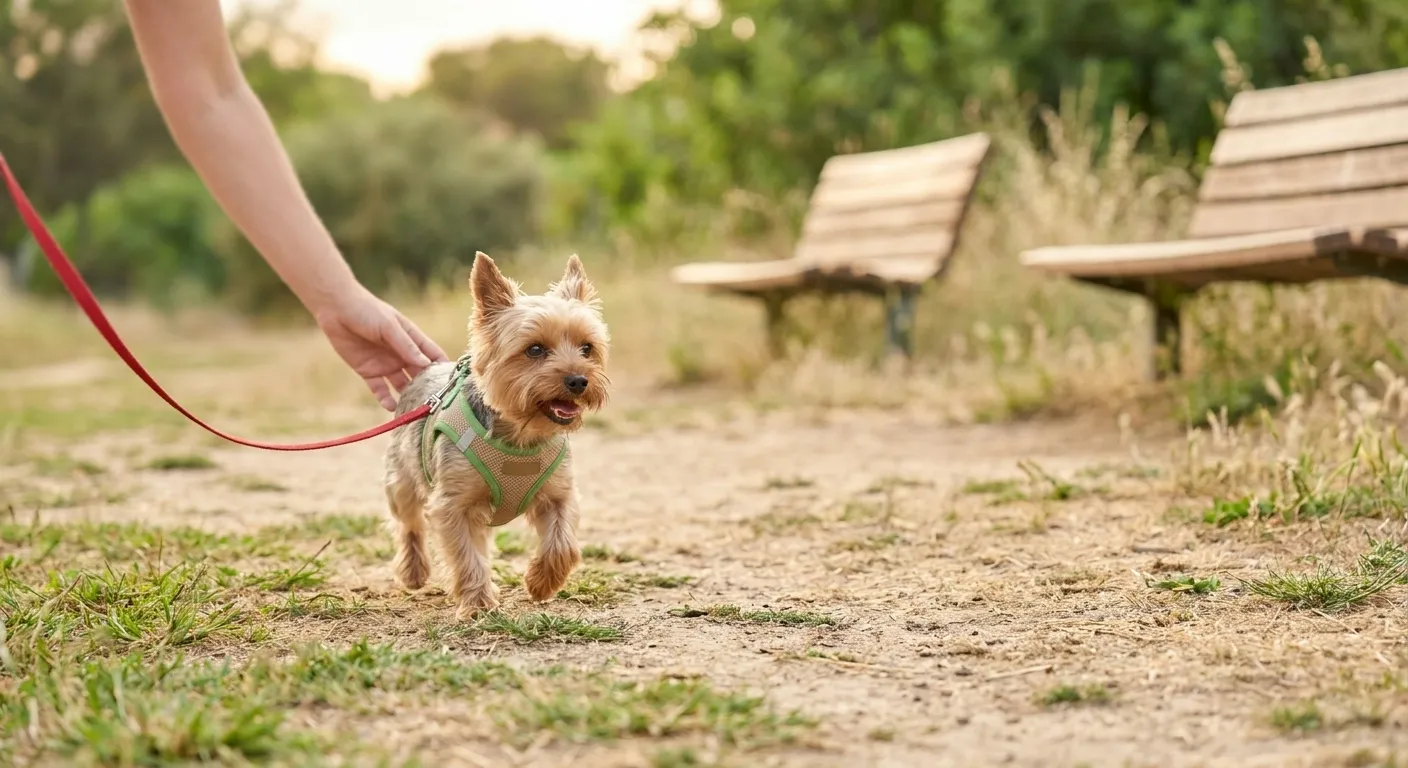
Yorkies, despite their energetic bursts, have limits due to their small size and delicate bone structure. High-impact activities or long, strenuous hikes are generally not suitable. Instead, focus on short, frequent bursts of activity. Two to three 15-20 minute walks per day are often ideal, allowing them to explore new scents and sights. Off-leash play in a securely fenced yard or indoor play with toys is also excellent for burning energy. Remember to always use a harness instead of a collar for walks, as their delicate tracheas are susceptible to injury. Adjust exercise intensity based on your Yorkie’s age, health, and individual energy level; senior Yorkies, for example, will have different needs than a spry adult. Moreover, always monitor your dog for signs of fatigue, especially during warmer weather.
Engaging Activities for Mental and Physical Stimulation
Beyond physical walks, fulfilling your Yorkie exercise needs also involves mental stimulation. Yorkies are intelligent and thrive on problem-solving. Incorporate interactive toys like puzzle feeders, hide-and-seek games, or short training sessions to teach new tricks. Agility training designed for small dogs can be a fantastic way to combine physical and mental challenges. Indoor play, such as chasing a soft toy or playing tug-of-war, can be a great alternative on bad weather days. Always supervise playtime to ensure safety and prevent overexertion. By providing a varied routine of physical activity and mental engagement, you’ll raise a happy, healthy, and well-behaved Yorkshire Terrier. In fact, a mentally stimulated Yorkie is often a calmer Yorkie.
The Importance of Daily Walks for Your Small Dog
Daily walks are paramount for a Yorkshire Terrier’s well-being. These outings offer more than just physical exertion; they provide crucial mental stimulation through exposure to new sights, sounds, and smells. Even a short stroll around the block can be an adventure for a small dog. For instance, sniffing new areas helps satisfy their natural curiosity and provides a form of mental enrichment. When walking your Yorkie, always use a secure, comfortable harness. This prevents undue pressure on their delicate trachea, which can be injured by a collar. Furthermore, ensure their ID tags and GPS trackers are up-to-date for their safety. Consistent daily walks, perhaps two to three times a day for 15-20 minutes each, are generally sufficient for meeting typical Yorkie activity requirements.
Indoor Play: Keeping Your Yorkie Active Indoors
While outdoor activities are vital, indoor play offers an excellent way to supplement your Yorkie’s physical activity, especially during inclement weather or if you live in an apartment. Indoor games can be just as engaging and help fulfill your Yorkie’s desire for movement. Consider games like fetch with a soft, lightweight toy or hide-and-seek, where you hide and call your Yorkie to find you. Puzzle toys are particularly beneficial for mental stimulation, challenging your Yorkie to figure out how to get treats. Short training sessions, teaching new tricks, also count as mental exercise. These activities contribute significantly to meeting your small dog’s overall physical activity needs. In addition, indoor agility courses designed for small breeds can be a lot of fun.
Understanding Puppy and Senior Yorkie Exercise Requirements
The exercise regimen for a Yorkie changes throughout their life. Puppy exercise needs are distinct from those of adult or senior dogs. Young Yorkie puppies have bursts of energy but also need a lot of rest. Short, frequent play sessions of 5-10 minutes, several times a day, are ideal. Avoid long walks or strenuous activities that could harm their developing joints. As they mature into adults, their stamina increases, and their daily walks and playtime can be extended. However, senior Yorkies will naturally slow down. Their walks might become shorter and less frequent, focusing more on gentle strolls and comfortable indoor play. It is important to observe your individual dog’s energy levels and adjust their routine accordingly. Consulting with your veterinarian about appropriate activity levels for your Yorkie’s specific age and health status is always a good idea. For instance, a senior dog with arthritis will have very different mobility requirements.
The Risks of Insufficient Exercise for Yorkshire Terriers
Failing to meet your Yorkshire Terrier’s physical activity requirements can lead to a range of issues, both physical and behavioral. Firstly, a lack of movement often results in weight gain. Obesity in Yorkies can lead to serious health problems, including joint issues, diabetes, and heart disease. Secondly, an under-exercised Yorkie is often a bored Yorkie. Boredom can manifest as destructive behaviors, such as excessive barking, chewing on furniture, or house-soiling. These behaviors are often a cry for mental and physical stimulation. Furthermore, insufficient activity can contribute to anxiety and stress in these intelligent dogs. Therefore, prioritizing their activity is not just about physical health, but also about their overall mental well-being and temperament. Consequently, understanding and fulfilling your dog’s activity requirements is a key part of responsible pet ownership.
Safe Exercise Practices for Your Yorkie
Ensuring your Yorkie’s safety during exercise is paramount. Due to their small size and delicate structure, specific precautions must be taken. Always use a harness instead of a collar for walks, as mentioned earlier, to protect their trachea. Avoid exercising in extreme weather conditions – very hot or very cold temperatures can be dangerous for small dogs. During warmer months, walk early in the morning or late in the evening to avoid the heat. Likewise, in winter, consider a dog coat and limit outdoor time. Supervise all playtime, especially with other dogs, to prevent accidental injury. Ensure any outdoor play area is securely fenced. Moreover, always carry water for your Yorkie on longer outings to prevent dehydration. Familiarize yourself with the signs of overexertion, such as excessive panting, lagging behind, or limping. If you notice any of these, stop the activity immediately. Learning about safe exercise practices helps you meet your Yorkie exercise needs responsibly. For more detailed information on dog safety, the ASPCA website offers valuable resources.
Incorporating Training into Your Yorkie’s Activity Routine
Training isn’t just about obedience; it’s also a fantastic way to provide mental and physical stimulation for your Yorkie. Short, positive reinforcement training sessions can be incredibly engaging for these intelligent dogs. Teaching new tricks, practicing basic commands, or even enrolling in a small-dog obedience class can fulfill a significant portion of their daily activity requirements. For instance, teaching your Yorkie to