
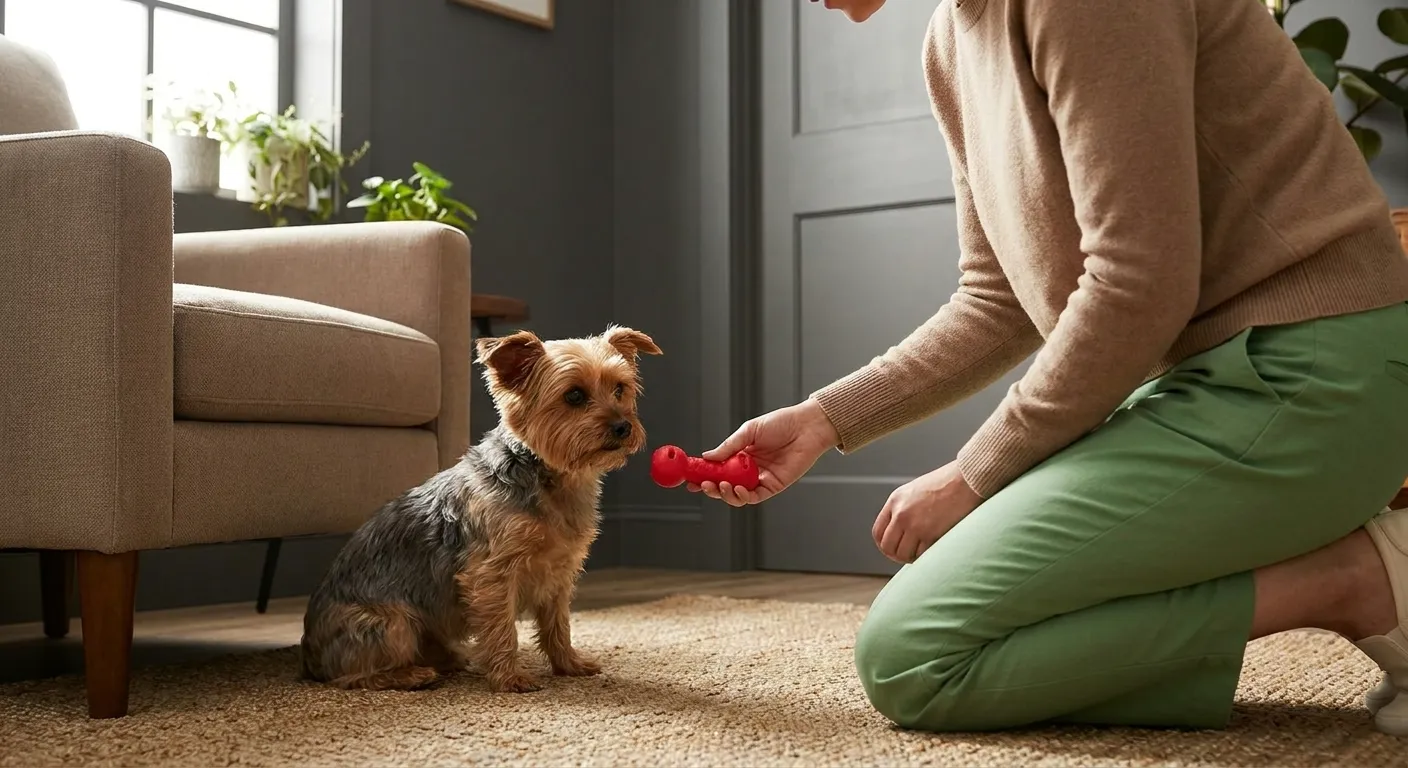
For many Yorkshire Terrier owners, dealing with Yorkie separation anxiety can be a heartbreaking and challenging experience. These affectionate and deeply bonded dogs often form strong attachments to their humans, making them particularly susceptible to distress when left alone. Unlike general mischief, true separation anxiety manifests as a panic response. Therefore, recognizing its specific symptoms is crucial for providing effective support and intervention to your anxious companion.
Understanding Separation Anxiety in Yorkshire Terriers
Separation anxiety in dogs is a condition where they exhibit extreme distress when left alone or separated from their primary attachment figure. Yorkies, known for their devotion and need for companionship, are particularly prone to developing this anxiety. It’s not simply about a dog being naughty; instead, it’s a genuine fear response. This profound distress can lead to a variety of unwanted behaviors, which can be confusing and frustrating for owners if the root cause isn’t understood.
Understanding the difference between boredom and genuine anxiety is vital. A bored Yorkie might chew on a toy or nudge things around. Conversely, a Yorkie experiencing separation distress often displays more intense and destructive behaviors, specifically tied to your absence. These reactions are not a reflection of your dog being spiteful or poorly trained. Rather, they are a cry for help from a dog that feels genuinely unsafe and panicked when left alone.
Identifying the Signs of Yorkie Separation Anxiety
Yorkie separation anxiety isn’t just about a little whining when you leave. The signs are typically consistent and severe, occurring only when the dog is left alone or perceives itself to be alone. Common indicators include destructive chewing, especially around entry points like doors or windows. Furthermore, excessive barking or howling is a frequent complaint. Inappropriate urination or defecation indoors, even if house-trained, can also be a sign. Other physical manifestations include pacing, drooling, panting, and frantic attempts to escape. For example, a dog might try to dig or chew through a door.
It’s important to differentiate these behaviors from simple boredom or lack of training. For instance, a bored Yorkie might chew on a chew toy, while an anxious one might destroy a doorframe. Observing when these behaviors occur is key to proper diagnosis. If the behaviors only happen when you’re away, it strongly suggests separation anxiety. Moreover, some Yorkies might become overly excited or anxious as soon as they sense you are preparing to leave, which is another tell-tale sign.
Common Symptoms to Watch For:
- Destructive Chewing: Concentrated on exits (doors, windows) or items strongly associated with the owner.
- Excessive Vocalization: Persistent barking, howling, or whining that begins shortly after you leave.
- Inappropriate Elimination: Urinating or defecating indoors, even when house-trained, only when alone.
- Pacing and Restlessness: Constant movement, often in a circular pattern or along the walls.
- Drooling and Panting: Beyond what’s normal, often indicating stress.
- Escape Attempts: Trying to break out of crates, rooms, or the house, sometimes resulting in injury.
If you suspect your furry friend is suffering from this condition, documentation can be incredibly helpful. Consider setting up a camera to record your Yorkie’s behavior while you are out. This provides objective evidence and can help you and your veterinarian or a professional dog trainer accurately assess the situation. This step is often crucial for creating an effective intervention plan.
Causes and Contributing Factors to Separation Distress
While the exact cause of separation distress isn’t always clear, several factors can contribute to its development in Yorkshire Terriers. Changes in routine are a common trigger. For example, a sudden shift in your work schedule, a move to a new home, or the loss of a family member (human or pet) can all induce anxiety. Yorkies thrive on routine and predictability, so disruptions can be unsettling for them.
Furthermore, a history of abandonment or multiple owners can make a Yorkie more prone to this type of anxiety. Rescue Yorkies, in particular, might have unresolved trauma that manifests as intense fear when left alone. Over-attachment to one person can also be a factor. If a Yorkie spends every waking moment with one individual and has never learned to be independent, separation can feel like a profound loss. Early socialization and exposure to being alone for short periods can help prevent the development of severe anxiety later on.
Genetics may also play a role, as some dog breeds are more predisposed to anxiety disorders. While Yorkies are not typically listed as the most anxious breed, their strong bonding tendencies can make them vulnerable. It’s important to remember that this isn’t a flaw in your dog’s character; it’s an emotional challenge that requires understanding and patience.
Managing Yorkie Separation Anxiety: Practical Strategies
Addressing Yorkie separation anxiety requires a multi-faceted approach, often involving behavior modification and sometimes veterinary consultation. Start by desensitizing your Yorkie to your departure cues: pick up keys, put on your coat, but don’t leave. Gradually increase the time you’re out of sight. Provide engaging puzzle toys filled with treats to distract them during your absence. Ensure they get adequate exercise before you leave, as a tired dog is often a calmer dog.
Avoid making a big fuss when you leave or return; keep greetings and goodbyes low-key to minimize the emotional impact. This helps to normalize your departures and arrivals, reducing the drama surrounding them. Moreover, establishing a predictable routine for your Yorkie can provide a sense of security. This includes consistent feeding times, walks, and playtime. A structured environment helps manage expectations and reduces uncertainty, which can contribute to anxiety.
Behavior Modification Techniques:
- Gradual Absences: Begin by leaving your Yorkie alone for very short periods (e.g., 1-2 minutes), then gradually increase the duration. This helps them build confidence.
- Counter-Conditioning: Associate your departure with something positive, like a special long-lasting treat or a favorite toy they only get when you leave.
- Desensitization to Cues: Practice your departure routine (grabbing keys, putting on shoes) without actually leaving. This helps your Yorkie learn that these cues don’t always mean you’re going away.
- Independent Play: Encourage your Yorkie to play independently in a separate room for short periods while you are home. This fosters self-reliance.
For more severe cases of separation distress, professional help is highly recommended. A certified professional dog trainer or a veterinary behaviorist can provide tailored strategies and guide you through the process. They might suggest specific training protocols or environmental modifications. Additionally, some dogs benefit from the use of calming aids. These can include pheromone diffusers, calming supplements, or even prescription medication in severe instances. Always consult your veterinarian before starting any new supplements or medications for your Yorkie.
Creating a safe and comfortable space for your Yorkie can also make a significant difference. A cozy bed, a familiar blanket, and a few favorite interactive toys can help them feel more secure. Some owners find success with leaving on a radio or TV at a low volume, as the background noise can provide a sense of companionship and mask external sounds that might trigger anxiety. Consistency is key with any management plan. It takes time and patience to help a dog overcome separation-related issues, but the effort is well worth it for your beloved companion’s well-being.
When to Seek Professional Help for Separation Issues
While many mild cases of separation anxiety can be managed at home with consistent effort, there are times when professional intervention is necessary. If your Yorkie’s symptoms are severe, such as causing self-injury during escape attempts, persistent destructive behavior, or continuous vocalization that disrupts your neighbors, it’s time to consult an expert. A veterinarian is always the first point of contact. They can rule out any underlying medical conditions that might be contributing to the behaviors, such as urinary tract infections for inappropriate elimination or dental issues for destructive chewing.
After a veterinary check-up, your vet might refer you to a certified professional dog trainer specializing in behavior modification or a veterinary behaviorist. These professionals have specialized knowledge and can develop a comprehensive, individualized plan for your Yorkie. They can teach you advanced techniques for desensitization and counter-conditioning. They can also provide guidance on environmental management. Furthermore, a veterinary behaviorist can prescribe anti-anxiety medications if deemed necessary. These medications are typically used in conjunction with behavior therapy, not as a standalone solution. They can help reduce the intensity of anxiety, making your Yorkie more receptive to training and behavior modification. The ASPCA offers valuable resources on separation anxiety, emphasizing the importance of professional guidance.
Remember, addressing Yorkie separation anxiety is a process, not a quick fix. It requires commitment, consistency, and a willingness to adapt your approach based on your dog’s progress. Celebrating small victories along the way can help keep you motivated. Ultimately, your goal is to help your Yorkie feel safe and secure, even when you’re not physically present. This will lead to a happier, healthier dog and a more peaceful home environment for everyone.
Preventing Separation Anxiety in Yorkie Puppies
Prevention is always better than cure, especially when it comes to conditions like separation distress. For Yorkie puppies, early training and socialization can significantly reduce the likelihood of developing this anxiety. From a young age, teach your puppy that being alone can be a positive experience. Start with very short periods of separation, even just a few minutes in another room, and gradually increase the duration. Always ensure they have a comfortable, safe space with engaging toys. The Humane Society provides excellent advice on crate training, which can be a valuable tool for teaching independence.
Encourage independent play by providing stimulating toys, such as puzzle toys or long-lasting chews, that your puppy can enjoy on their own. Avoid constantly carrying or holding your Yorkie puppy, as this can foster over-reliance. Instead, provide designated