Effective training your Yorkie is a rewarding endeavor that strengthens your bond and ensures your Yorkshire Terrier is a well-behaved, confident companion. Despite their small stature, Yorkies are intelligent and eager to please, making them highly trainable with the right approach. Moving beyond basic potty training, focusing on essential commands and positive reinforcement techniques will lay the groundwork for a responsive and happy dog. This article will guide you through key commands and methods tailored to the Yorkie’s unique temperament. Consequently, you will discover how to nurture a well-adjusted pet.
Why Positive Reinforcement Works Best for Yorkshire Terriers
Yorkies are sensitive dogs. Therefore, harsh training methods can lead to fear, anxiety, or stubbornness. Positive reinforcement, which involves rewarding desired behaviors with treats, praise, or toys, is by far the most effective and humane way to train your Yorkie. This method not only makes learning fun but also builds trust between you and your dog. Keep training sessions short, typically 5-10 minutes. Furthermore, ensure they are frequent and always end on a positive note. Consistency across all family members is crucial, using the same commands and rewards to avoid confusion. Their desire for attention and treats makes them highly motivated learners, so utilize this to your advantage. For instance, small, high-value treats can work wonders.
Essential Commands and How to Teach Them
When training your Yorkie, start with foundational commands: ‘Sit,’ ‘Stay,’ ‘Come,’ ‘Down,’ and ‘Leave It.’ These commands are vital for safety and good manners.
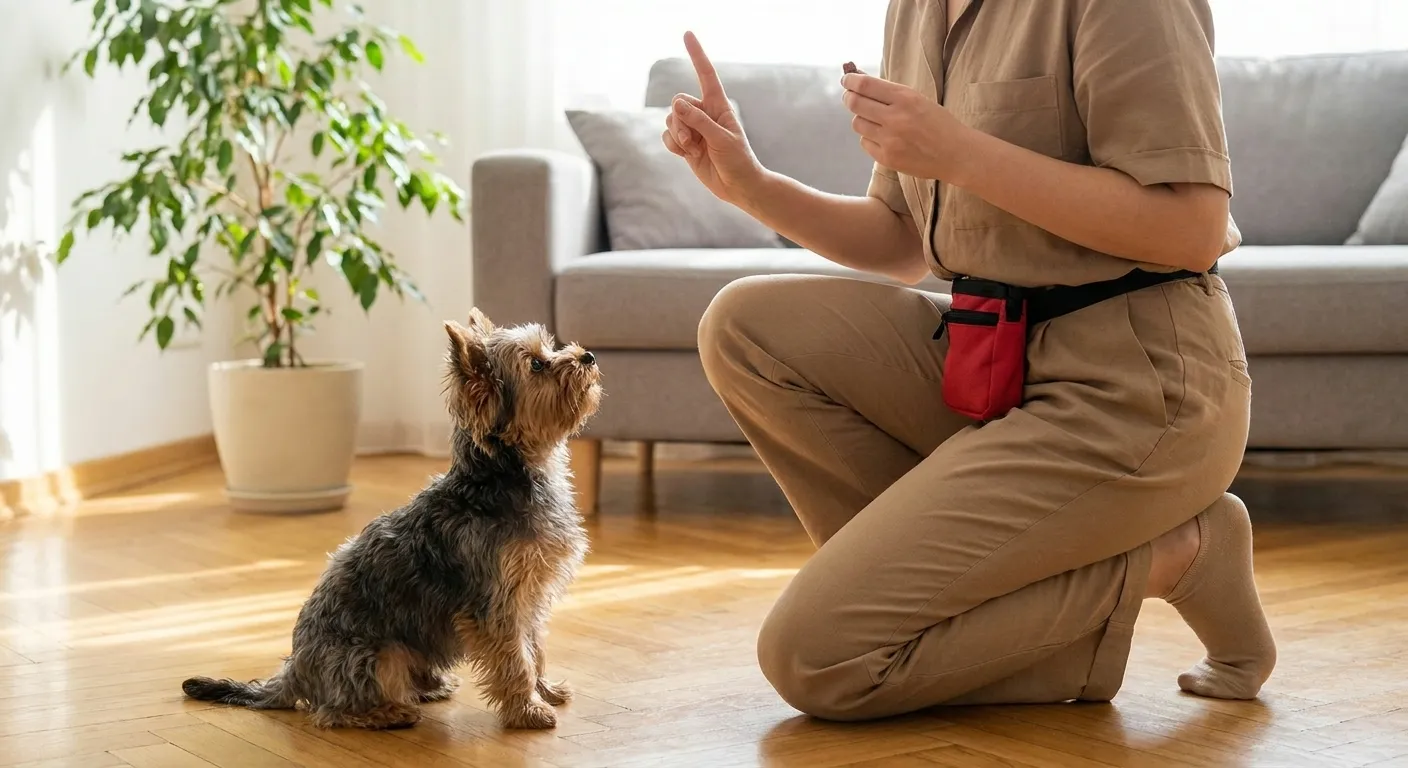
- Sit: Hold a treat near your Yorkie’s nose. Slowly move it over their head, causing their rear to lower. As soon as they sit, say “Sit!” and reward them. Repeat this process frequently throughout the day.
- Stay: Once your Yorkie can ‘Sit,’ ask them to ‘Sit.’ Then, say “Stay!” Take one step back. Immediately return and reward if they stay in position. Gradually increase both distance and duration.
- Come: This command is vital for safety. With your Yorkie on a long leash in a safe, enclosed area, back away. Enthusiastically say “Come!” When they approach you, reward them lavishly. Practice this command in various environments.
- Down: From a ‘Sit’ position, hold a treat. Slowly move it from their nose to the floor, then slide it away from them. As they lie down to reach it, say “Down!” and reward them.
- Leave It: When your Yorkie shows interest in something they shouldn’t have, say “Leave It!” Cover the item or gently move them away. When they disengage, reward them with a more desirable treat or praise. For example, a favorite toy can be a great reward.
Always be patient. Keep your tone positive. Remember that consistent practice will yield the best results. Celebrate every small success, reinforcing the idea that learning is a positive experience. By dedicating time to training your Yorkie with these essential commands, you’ll foster a well-behaved companion who understands boundaries and responds reliably, enhancing both your lives together.
Beyond Basics: Advanced Training Tips for Your Yorkie
Once your Yorkie has mastered the basic commands, you can consider more advanced training. This might include teaching tricks, loose-leash walking, or even agility. Yorkies, with their intelligence and agility, often excel in these areas. Furthermore, advanced training provides mental stimulation, which is crucial for preventing boredom and destructive behaviors. For instance, teaching your Yorkie to fetch specific toys or to go to their bed on command can be very rewarding. Consistent practice of these skills will enhance their obedience and your bond.
Handling Stubbornness and Challenges
Sometimes, even the most eager Yorkie can show signs of stubbornness. This is a normal part of dog behavior. When faced with resistance, it’s important not to get frustrated. Instead, revisit earlier stages of training. Break down commands into smaller, easier steps. Perhaps your Yorkie isn’t understanding what you want. Alternatively, they might be distracted. Reduce distractions in the training environment. Make sure your rewards are highly motivating. For instance, some Yorkies prefer cheese or cooked chicken over commercial treats. Remember, patience and consistency are key when training your Yorkie. If challenges persist, consider consulting a professional dog trainer for personalized guidance. They can offer insights tailored to your dog’s specific needs.
Socialization: A Crucial Component of Yorkie Development
While often associated with puppyhood, socialization is an ongoing process that significantly impacts your Yorkie’s behavior throughout their life. Proper socialization helps your Yorkie feel comfortable and confident in various situations, around different people, and with other dogs. Introduce your Yorkie to new sights, sounds, and smells gradually. Ensure these experiences are positive. For example, short, controlled interactions with calm, vaccinated dogs can be beneficial. Exposure to different environments, like parks or pet-friendly stores, is also important. This helps prevent fear-based aggression or excessive barking. A well-socialized Yorkie is a joy to be around, both at home and in public. Therefore, make socialization a priority in your routine.
The Importance of Play and Exercise in Training
Yorkies, despite their small size, have surprising energy levels. Regular exercise and playtime are not just good for their physical health but also for their mental well-being. A tired Yorkie is often a well-behaved Yorkie. Incorporate play into your training sessions. This can make learning more enjoyable. For example, using puzzle toys can challenge their minds. Interactive games, like fetch or hide-and-seek, can reinforce commands like ‘Come’ and ‘Stay’ in a fun way. Moreover, sufficient exercise can reduce common behavioral issues such as excessive barking or destructive chewing. Explore different chew toys to keep them engaged when you can’t actively play. A balanced routine of training, play, and exercise is essential for a happy and healthy Yorkshire Terrier.
Harnessing the Power of Consistency and Patience
No matter what command or behavior you are working on, consistency is paramount when training your Yorkie. Everyone in the household should use the same commands, hand signals, and reward system. Inconsistency can confuse your dog and slow down progress. Set clear rules and stick to them. For example, if you don’t want your Yorkie on the furniture, ensure no one ever allows it. Patience is equally important. Yorkies are smart, but they are still dogs. They learn at their own pace. Some days will be more challenging than others. Avoid getting frustrated or angry, as this can damage your bond and make your Yorkie fearful. Instead, take a break if you or your dog are feeling overwhelmed. End on a positive note, even if it’s just practicing a command they already know well. This positive reinforcement reinforces good behavior and encourages continued learning. Remember, effective dog training is a marathon, not a sprint.
Addressing Common Yorkie Training Challenges
Yorkies, like all breeds, can present specific training challenges. House-training can sometimes be difficult due to their small bladders and tendency to be discreet. Establishing a strict potty schedule and consistently rewarding outdoor success is vital. Crate training can be incredibly helpful for house-training and providing a safe den for your Yorkie. Excessive barking is another common issue. While some barking is natural, continuous barking can be managed through training. Teach a ‘Quiet’ command and reward silence. Identifying the triggers for barking is also important. If barking is due to separation anxiety, additional strategies may be needed. For more persistent issues, devices like bark control devices might be considered as a last resort, always used humanely and under professional guidance. Remember, understanding the root cause of a behavior is the first step to addressing it effectively. For instance, a Yorkie might bark out of boredom; therefore, increased playtime or mental stimulation could help.
The Long-Term Benefits of a Well-Trained Yorkie
The effort you put into training your Yorkie will pay dividends throughout their life. A well-trained Yorkie is a happier, more confident dog. They can safely accompany you to more places, participate in family activities, and generally integrate better into your lifestyle. Moreover, a trained dog is less likely to be surrendered to shelters due to behavioral issues. It truly enhances the human-animal bond. You will understand each other better, leading to a more harmonious home environment. Furthermore, consistent training, especially using positive methods, builds trust and mutual respect between you and your canine companion. This foundation of trust is invaluable. It allows for a deeper connection and a lifetime of enjoyable companionship. For instance, a Yorkie that reliably comes when called can enjoy off-leash walks in safe areas, which is a great joy for many dogs and their owners. This makes our blog a great resource for continued learning.
Protecting Your Yorkie Through Training and Safety Measures
Training isn’t just about good manners; it’s also about safety. A Yorkie that responds to ‘Come’ or ‘Leave It’ can be protected from dangerous situations. For example, if they are about to run into traffic or pick up something harmful off the ground. Beyond commands, consider practical safety measures. ID tags & GPS trackers are essential for identification if your Yorkie ever gets lost. Similarly, a well-fitting harness and leash are crucial for walks, preventing escapes and ensuring comfortable control. Learning about canine first aid can also be beneficial. This knowledge helps you respond effectively in emergencies. Ultimately, responsible pet ownership combines diligent training with proactive safety measures to ensure your Yorkie lives a long, safe, and happy life. You can find more information on general dog care on reputable sites like the American Kennel Club or the ASPCA. This holistic approach ensures their well-being.
Conclusion: A Lifetime of Companionship Through Training
Training your Yorkie is an ongoing journey filled with joy, challenges, and immense rewards. By committing to positive reinforcement, consistent practice of essential commands, and proper socialization, you are not just teaching your dog tricks. You are building a foundation for a lifetime of mutual understanding and companionship. Remember that every Yorkie is an individual with their own personality and learning pace. Celebrate their successes, be patient with their struggles, and always approach training with love and kindness. The bond you forge through effective training will be one of the most fulfilling aspects of sharing your life with a Yorkshire Terrier. Ultimately, a well-trained Yorkie is a testament to your dedication and a cherished member of your family. This dedication will bring happiness to both of you.
FAQ
How often should I practice commands with my Yorkshire Terrier?
Short, frequent training sessions are best for Yorkshire Terriers. Aim for 5-10 minutes, two to three times a day. This keeps them engaged and prevents boredom, reinforcing good habits consistently.
Is it ever too late to begin training a Yorkie?
No, it’s never too late to begin dog training. While puppies learn quickly, older Yorkies can certainly learn new commands and behaviors. Patience and consistent positive reinforcement are key, regardless of age.
What if my Yorkie isn’t motivated by treats?
If your Yorkie isn’t treat-motivated, try using their favorite toy, enthusiastic verbal praise, or a game of fetch as a reward. Experiment to find what truly excites them. Some dogs prefer specific types of play or attention.
How can I stop my Yorkie from excessive barking?
To reduce excessive barking, first identify the cause (e.g., boredom, fear, attention-seeking). Then, teach a “Quiet” command by rewarding silence. Ensure they get enough exercise and mental stimulation. Sometimes, professional help is beneficial.
Should I use a clicker for teaching my Yorkie?
Clicker training can be very effective for many dogs, including Yorkies. The clicker acts as a precise marker for desired behavior, followed immediately by a reward. It can speed up the learning process and clarify what you’re asking of them.