
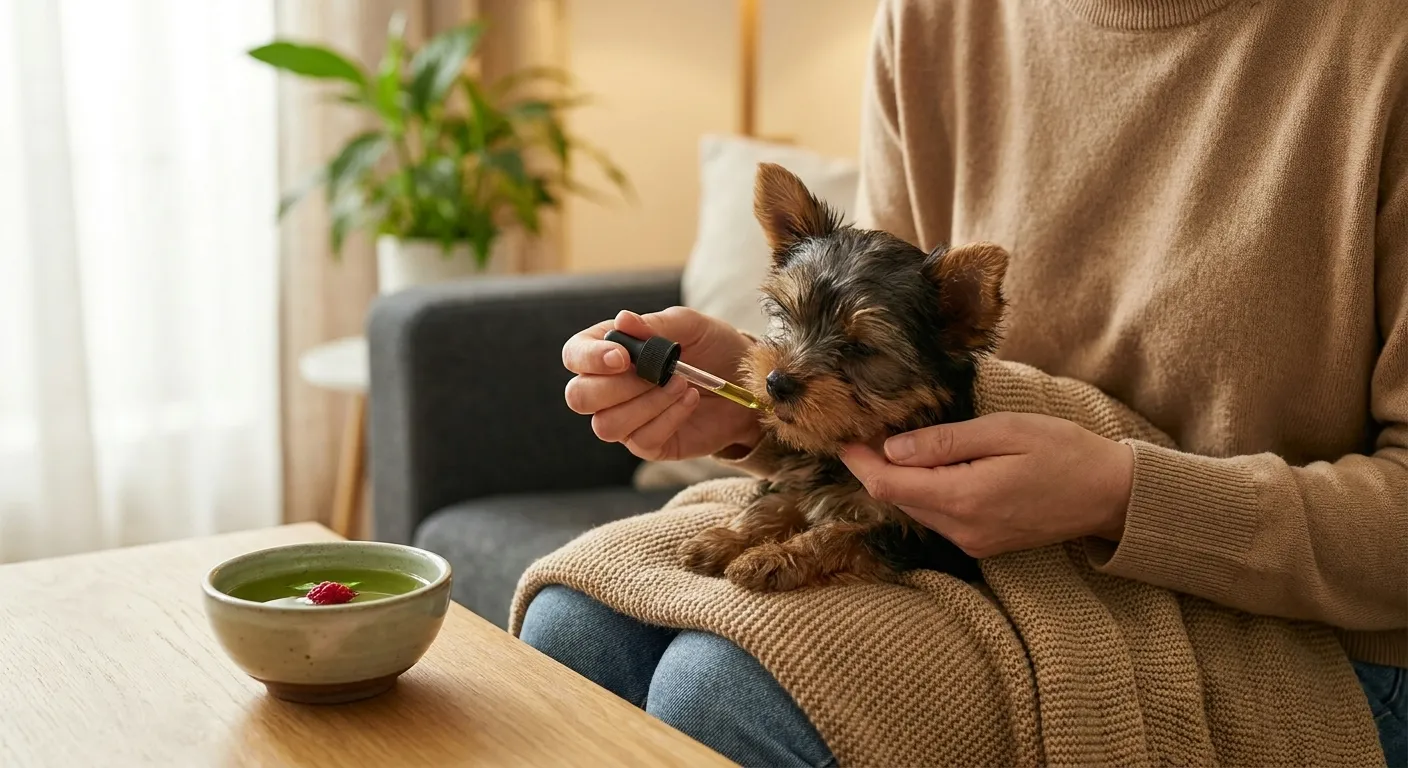
For new owners, understanding hypoglycemia in Yorkie puppies is not just beneficial, it’s potentially life-saving. Yorkshire Terriers, especially during their puppyhood, are particularly susceptible to this condition, which is characterized by dangerously low blood sugar levels. Due to their tiny size and high metabolism, puppies can quickly deplete their glucose reserves. Consequently, this leads to serious health complications if not recognized and treated promptly. Being prepared and knowing the signs can make all the difference in ensuring your little Yorkie thrives.
Why Yorkie Puppies Are Prone to Low Blood Sugar
Several factors contribute to the increased risk of low blood sugar in Yorkie puppies. Their small body mass means they have limited fat reserves, which are crucial for maintaining blood sugar levels between meals. Coupled with a high metabolism that rapidly burns through energy, this makes them vulnerable. For example, stress, over-handling, skipping meals, intestinal parasites, or even a sudden change in diet can trigger an episode. Additionally, developing puppies are still learning to regulate their blood sugar, and their bodies are not as efficient as adult dogs. It’s critical for owners to understand that even short periods without food can lead to a rapid drop in blood glucose, especially in very young or underweight puppies. Therefore, consistent feeding schedules and minimizing stress are paramount.
Recognizing Symptoms and Immediate Action for Hypoglycemia
Recognizing the symptoms of hypoglycemia in Yorkie puppies is crucial for immediate intervention. Early signs include lethargy, weakness, shivering, disorientation, uncoordinated movements, and a dull or glassy-eyed appearance. As the condition worsens, puppies may collapse, have seizures, or lose consciousness. If you suspect your Yorkie puppy is experiencing low blood sugar, immediate action is required. Rub a small amount of a high-sugar syrup (like Karo syrup or honey) on their gums. Do NOT try to force them to swallow if they are unconscious, as this can lead to choking. Keep them warm and contact your veterinarian immediately, even if they seem to recover. Your vet will provide further guidance and may recommend a check-up to identify any underlying causes and establish a preventative feeding plan. Always have a glucose source readily available, especially when traveling or during periods of stress.
Preventative Measures: Keeping Your Yorkie Puppy Safe from Hypoglycemia
Preventing low blood sugar in young Yorkshire Terriers is far easier than treating an episode. Owners can implement several proactive strategies. Firstly, establish a consistent feeding schedule. Young puppies, especially those under six months, often need to eat small, frequent meals throughout the day, sometimes every 3-4 hours. This helps maintain stable blood sugar levels. Furthermore, ensure your puppy has access to high-quality puppy food specifically formulated for small breeds. These foods are typically nutrient-dense and provide the necessary energy for their rapid growth and high metabolism.
Secondly, minimize stress. Yorkie puppies are sensitive creatures, and stress can deplete their energy reserves quickly. Avoid over-handling, loud environments, or prolonged periods of separation. When introducing your puppy to new environments or people, do so gradually. Providing a safe, quiet space for them to rest is also important. Moreover, consider using interactive toys to keep them mentally stimulated without over-exerting them. For example, puzzle toys can offer engagement while promoting calm behavior. You can find excellent options for puzzle toys on our site.
Thirdly, regular veterinary check-ups are essential. Your veterinarian can identify any underlying health issues, such as intestinal parasites, which can contribute to low blood sugar. Parasite control is a critical aspect of puppy care. A healthy puppy is less likely to experience a hypoglycemic episode. In addition, discuss appropriate feeding amounts and types of food with your vet, tailoring the diet to your individual puppy’s needs. They can also advise on specific supplements if necessary.
Understanding the Role of Diet in Preventing Puppy Hypoglycemia
The diet plays a paramount role in preventing hypoglycemia in Yorkie puppies. Their tiny stomachs cannot hold large amounts of food, necessitating frequent, small meals. Opt for a premium puppy food designed for small breeds, as these are typically calorie-dense and easily digestible. Look for ingredients that provide sustained energy release. Some owners find success with adding a small amount of high-calorie nutritional supplement paste, especially for very tiny or active puppies, under veterinary guidance. However, avoid overfeeding, as this can lead to other health issues. The goal is consistent, adequate nutrition.
Furthermore, ensure constant access to fresh water. Dehydration can exacerbate many health problems, including those that might indirectly lead to low blood sugar. Avoid sudden changes in diet; instead, introduce new foods gradually over several days to prevent digestive upset, which can impact nutrient absorption. If your puppy is a picky eater, consult your vet to rule out any underlying medical causes. Sometimes, a lack of appetite can be an early indicator of a problem. Providing a balanced and consistent diet is a cornerstone of preventing this concerning condition.
Recognizing and Responding to Advanced Symptoms of Low Blood Sugar
While early detection is key, it’s also important to be prepared for more advanced symptoms of low blood sugar in your Yorkie puppy. These can include severe lethargy, inability to stand, muscle tremors, and even seizures. In such critical moments, remaining calm is vital. As mentioned earlier, immediately apply a source of sugar, such as Karo syrup or honey, to their gums. The sugar will be absorbed through the mucous membranes. Do not attempt to force liquid into the puppy’s mouth if they are unconscious, as this poses a choking hazard.
After administering sugar, wrap your puppy in a warm blanket or towel. Hypothermia often accompanies hypoglycemia, and keeping them warm helps their body conserve energy. Even if your puppy seems to recover quickly, contact your veterinarian without delay. A hypoglycemic episode, especially a severe one, warrants immediate professional attention. Your vet will want to assess the puppy’s overall health, run blood tests, and determine if there’s an underlying cause for the recurrent drops in blood sugar. They might also advise on a specific emergency kit to keep on hand.
Long-Term Management and Veterinary Partnership
For some Yorkie puppies, particularly those with recurring episodes of low blood sugar, long-term management strategies are necessary. This often involves a close partnership with your veterinarian. They may recommend specific dietary adjustments, such as prescription diets or even more frequent feeding schedules. In some cases, puppies might benefit from a sustained-release glucose supplement, though this should only be used under veterinary supervision. It’s important to keep a detailed log of any episodes, noting the time, symptoms, and what actions were taken. This information is invaluable for your vet in developing the most effective long-term plan.
Furthermore, educating yourself about your Yorkie’s specific needs is ongoing. Continue to monitor their energy levels, appetite, and general demeanor. Any significant changes should prompt a call to your vet. Remember that prevention is always better than cure, and by being proactive and informed, you can significantly reduce the risk of your puppy experiencing severe hypoglycemia in Yorkie puppies. Your vet can also guide you on general puppy wellness, including vaccinations and parasite prevention, which contribute to overall health. For additional guidance on puppy care, you can explore our Blog section.
Common Misconceptions About Puppy Hypoglycemia
There are several common misconceptions surrounding low blood sugar in Yorkie puppies that owners should clarify. One common myth is that only