
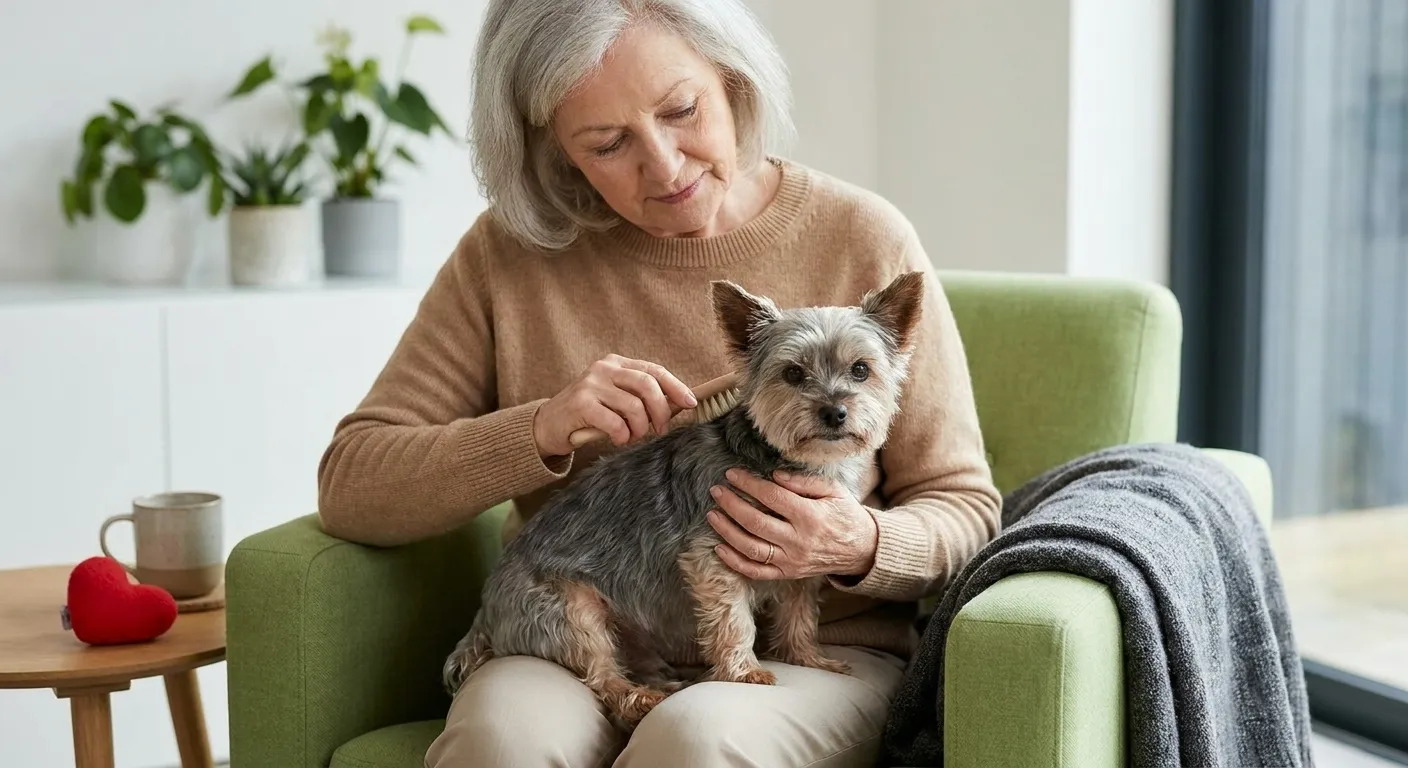
As our beloved Yorkshire Terriers transition into their golden years, understanding the specific needs of senior Yorkie care becomes paramount. Just like humans, older Yorkies require tailored attention to maintain their quality of life, ranging from dietary adjustments to environmental modifications. Recognizing these changes early can significantly enhance their comfort and well-being in their later years. This comprehensive guide will help you navigate the unique challenges and joys of caring for your aging companion, ensuring their continued happiness and health.
Understanding the Aging Process in Yorkshire Terriers
Yorkshire Terriers typically live between 11 to 15 years, with some living even longer. Generally, a Yorkie is considered senior around the age of 7 or 8. However, the aging process can vary significantly among individual dogs. Factors such as genetics, nutrition, and overall lifestyle play a crucial role. Observing subtle changes in behavior or physical condition can indicate that your Yorkie is entering its senior phase. For instance, you might notice a decrease in energy, changes in sleeping patterns, or a reluctance to engage in previously enjoyed activities. Understanding these signs is the first step in providing appropriate care for aging Yorkies.
Moreover, regular veterinary check-ups become even more critical during this stage. Your veterinarian can help identify age-related conditions early, allowing for timely intervention and management. They can also provide personalized advice on how to best support your dog’s health as they age. Early detection of issues like dental disease, organ dysfunction, or arthritis can significantly impact your Yorkie’s comfort and longevity. Therefore, maintaining a close relationship with your vet is a cornerstone of excellent senior Yorkie care.
Nutritional Needs for the Golden Years
As Yorkies age, their metabolism slows down, and their activity levels often decrease. This means their caloric needs will change significantly. Consequently, senior Yorkie care often involves a diet lower in calories to prevent obesity, which can exacerbate joint problems and other health issues. Look for senior-specific dog foods formulated with ingredients that support joint health, such as glucosamine and chondroitin. Additionally, these foods should provide easily digestible proteins to support muscle mass without straining the kidneys. A balanced diet is truly vital.
Small, frequent meals can also be beneficial as older Yorkies may have reduced appetites or digestive sensitivities. Furthermore, ensuring adequate hydration is crucial, so always provide fresh water. Sometimes, adding a little warm water to their kibble can make it more palatable and easier to chew, especially if they have dental issues. Always consult your veterinarian before making significant dietary changes, as they can recommend the best nutrition plan based on your Yorkie’s individual health profile. They can also advise on specific supplements if needed, enhancing your approach to caring for aging Yorkies. For more on digestive health, consider our guide on Gentle Digestion for Yorkies.
Supporting Mobility and Comfort
Arthritis and joint stiffness are common in aging Yorkies. To enhance their comfort, consider orthopedic dog beds that provide better support for aching joints. These specialized beds distribute weight evenly, reducing pressure points. Ramps or pet stairs can help them access favorite spots like the couch or bed without straining themselves, preventing injuries. This small adjustment can make a big difference in their daily lives. Keeping their nails trimmed short is also important to improve traction and make walking less painful. You can find useful tools like the GLADOG Professional 5 in 1 Dog Grooming Scissors Set for this purpose.
Regular, gentle exercise tailored to their energy levels, such as short, slow walks, can help maintain muscle tone and flexibility without overexertion. Avoid strenuous activities that could put undue stress on their joints. Moreover, ensuring their environment is free from obstacles that could lead to falls is crucial. Providing a warm, draft-free resting area is also essential for their comfort, especially during colder months. Consider using soft, fluffy blankets, like the Super Soft Fluffy Premium Fleece Pet Blanket, to enhance their nesting spots. These thoughtful considerations are key to effective senior Yorkie care.
Maintaining Oral Hygiene in Older Yorkies
Dental health often deteriorates with age, and older Yorkies are particularly susceptible to dental disease. Plaque and tartar buildup can lead to gum disease, tooth loss, and even systemic infections if left untreated. Therefore, maintaining good oral hygiene is a vital component of senior Yorkie care. Regular brushing with a vet-approved dog toothpaste can help prevent issues. Additionally, dental chews or specific dental diets can assist in keeping their teeth clean.
However, professional dental cleanings under anesthesia are often necessary for senior dogs. Your veterinarian can assess your Yorkie’s dental health and recommend the best course of action. They can also perform pre-anesthetic blood work to ensure your older Yorkie is healthy enough for the procedure. Addressing dental pain or infection can significantly improve your Yorkie’s overall comfort and appetite. Neglecting dental health can lead to serious complications, so prioritize regular check-ups and cleanings.
Adjusting to Vision and Hearing Changes
As Yorkies age, it’s common for them to experience a decline in vision and hearing. They might develop cataracts, glaucoma, or simply have reduced acuity. Similarly, their hearing can diminish, making them less responsive to verbal commands. When providing senior Yorkie care, it’s important to be patient and understanding of these changes. For example, if your Yorkie’s vision is declining, avoid rearranging furniture frequently to prevent disorientation. Guide them gently and use consistent verbal cues.
If their hearing is impaired, consider using hand signals or gentle touches to communicate. Always approach them from the front to avoid startling them. Furthermore, speaking in a slightly louder, lower tone can sometimes help them perceive your voice better. Ensuring their environment is safe and familiar becomes even more critical when their senses are not as sharp. These adaptations help maintain their confidence and reduce anxiety, improving their quality of life.
Mental Stimulation and Cognitive Health
Just like humans, older dogs can experience cognitive decline. Keeping your senior Yorkie mentally stimulated is crucial for maintaining their brain health. Engage them in gentle, familiar games that don’t require too much physical exertion. Puzzle toys that dispense treats can be excellent for this purpose, encouraging problem-solving. Short, scent-based walks can also be stimulating, allowing them to explore their surroundings through smell.
Learning new, simple tricks can also keep their minds active. Consistency and positive reinforcement are key. Moreover, providing a predictable routine can reduce stress and confusion for older dogs experiencing cognitive changes. Discussing cognitive supplements, such as those containing antioxidants or omega-3 fatty acids, with your veterinarian can also be beneficial. These strategies are integral to a holistic approach to senior Yorkie care, ensuring their minds remain sharp and engaged.
Regular Veterinary Check-ups and Preventative Care
Regular veterinary check-ups are the cornerstone of proactive senior Yorkie care. As your Yorkie ages, these visits should become more frequent, typically twice a year. During these appointments, your vet can perform thorough physical examinations, blood tests, and urine analyses to monitor organ function and detect potential health issues early. Early detection of conditions like kidney disease, heart disease, or diabetes allows for prompt management and can significantly improve your Yorkie’s prognosis and quality of life.
Vaccinations and parasite control remain important, though the specific protocol might be adjusted based on your senior Yorkie’s health status and lifestyle. Your veterinarian can advise on appropriate vaccination schedules and preventative medications for fleas, ticks, and heartworms. Discussing any changes in behavior, appetite, or mobility with your vet is crucial, as these can be early indicators of underlying health problems. Proactive preventative care is truly invaluable for maintaining the well-being of your aging companion.
Environmental Adjustments for Comfort and Safety
Creating a safe and comfortable environment is essential for an aging Yorkie. Their world should be adapted to accommodate their changing physical abilities. This includes providing easy access to food, water, and resting areas. If your Yorkie struggles with incontinence, consider using washable pee pads or even a HQ4US 4LEGS Dog Litter Box to make cleanup easier and maintain hygiene. Ensure their sleeping area is warm, soft, and away from drafts. Orthopedic beds, as mentioned earlier, are particularly beneficial.
Furthermore, consider non-slip rugs or runners on slippery floors to prevent falls, especially in areas where they frequently walk. If your Yorkie has vision impairment, keep furniture in consistent locations to help them navigate safely. Providing a quiet, secure space where they can retreat when feeling overwhelmed is also important. These thoughtful environmental modifications contribute significantly to effective senior Yorkie care, promoting both physical and emotional well-being.
Managing Chronic Conditions
Many senior Yorkies develop chronic conditions that require ongoing management. These might include arthritis, heart murmurs, kidney disease, or Cushing’s disease. Working closely with your veterinarian to develop a management plan is crucial. This plan may involve medication, dietary adjustments, physical therapy, or a combination of approaches. Adhering to medication schedules and following your vet’s recommendations diligently is paramount for controlling these conditions and maintaining your Yorkie’s comfort.
Regular monitoring through blood tests and check-ups will help assess the effectiveness of treatment and allow for adjustments as needed. It’s important to remember that managing chronic conditions is a marathon, not a sprint, and requires patience and dedication. However, with proper care, many senior Yorkies can continue to enjoy a good quality of life despite their ailments. This dedicated approach is a key aspect of comprehensive senior Yorkie care.
The Importance of Emotional Support and Bonding
As Yorkies age, their emotional needs may also change. They might become more prone to anxiety, especially if their vision or hearing is declining. Providing consistent emotional support and reassurance is incredibly important. Spend quality time with your senior Yorkie, even if it’s just gentle petting or quiet companionship. Maintain a consistent routine, as predictability can be comforting for older dogs.
Avoid leaving them alone for extended periods if they show signs of separation anxiety. Consider hiring a pet sitter or having a trusted friend check on them. Your presence and affection are invaluable during their golden years. The bond you share with your Yorkie deepens with every passing year, and providing loving emotional support is a beautiful way to honor that connection. This aspect of senior Yorkie care is just as vital as their physical well-being.
Recognizing and Addressing Pain
Pain management is a critical aspect of senior Yorkie care. Older dogs often suffer from chronic pain due to conditions like arthritis, but they are masters at hiding it. Watch for subtle signs such as reluctance to move, limping, difficulty getting up or lying down, changes in posture, reduced appetite, or increased irritability. Sometimes, excessive licking of a particular area can also indicate pain. If you suspect your Yorkie is in pain, consult your veterinarian immediately.
Your vet can diagnose the cause of the pain and prescribe appropriate pain relief medications. These might include NSAIDs (non-steroidal anti-inflammatory drugs), gabapentin, or other adjunct therapies. Never administer human pain medications to your Yorkie, as they can be toxic. Managing pain effectively can dramatically improve your senior Yorkie’s quality of life, allowing them to remain comfortable and engaged. This vigilant attention to their comfort is a hallmark of excellent care for aging Yorkies.
End-of-Life Planning and Quality of Life
While a difficult topic, considering end-of-life planning is a responsible part of senior Yorkie care. Discussing your Yorkie’s prognosis and quality of life with your veterinarian will help you make informed decisions when the time comes. This includes understanding when medical interventions might no longer be beneficial and considering humane euthanasia if your Yorkie’s suffering can no longer be alleviated. It’s a compassionate decision made out of love.
Focus on ensuring your Yorkie’s comfort and dignity in their final stages. This often involves palliative care, which aims to minimize pain and maximize comfort. Surrounding them with love and familiar comforts is paramount. Remembering the joy and companionship they brought into your life can help you navigate this challenging period. While heartbreaking, providing a peaceful transition is the ultimate act of love and a final, important aspect of senior Yorkie care.
Caring for a senior Yorkie is a rewarding experience that deepens the bond you share. By being proactive with their diet, comfort, regular veterinary check-ups, and emotional support, you can ensure their golden years are as happy and healthy as possible. Enjoy every precious moment with your distinguished companion, cherishing the unique journey you’ve shared. For additional trusted advice on various aspects of caring for your beloved pet, explore the comprehensive resources available at The American Kennel Club. Furthermore, for general pet health insights, visit The ASPCA.
FAQ Section
What age is a Yorkie considered a senior?
Yorkshire Terriers are typically considered senior dogs around 7 or 8 years of age. However, this can vary based on individual health, genetics, and lifestyle factors.
What specific dietary changes are needed for an older Yorkie?
Older Yorkies generally benefit from a diet lower in calories to prevent obesity and formulated with ingredients that support joint health and provide easily digestible proteins. Small, frequent meals can also aid digestion.
How can I help my aging Yorkie with mobility issues?
To support mobility, consider orthopedic beds, ramps or pet stairs, and regular, gentle exercise. Keep nails trimmed and ensure a safe, obstacle-free environment. Pain management, guided by your vet, is also key.
What are common health concerns for an aging Yorkshire Terrier?
Common health concerns for older Yorkshire Terriers include arthritis, dental disease, heart conditions, kidney disease, vision and hearing loss, and cognitive dysfunction. Regular vet check-ups are essential for early detection.
How important are routine vet visits for senior canine companions?
Routine veterinary check-ups are extremely important for senior canine companions. They allow for early detection and management of age-related conditions, ensuring your dog receives timely care and maintains a good quality of life.