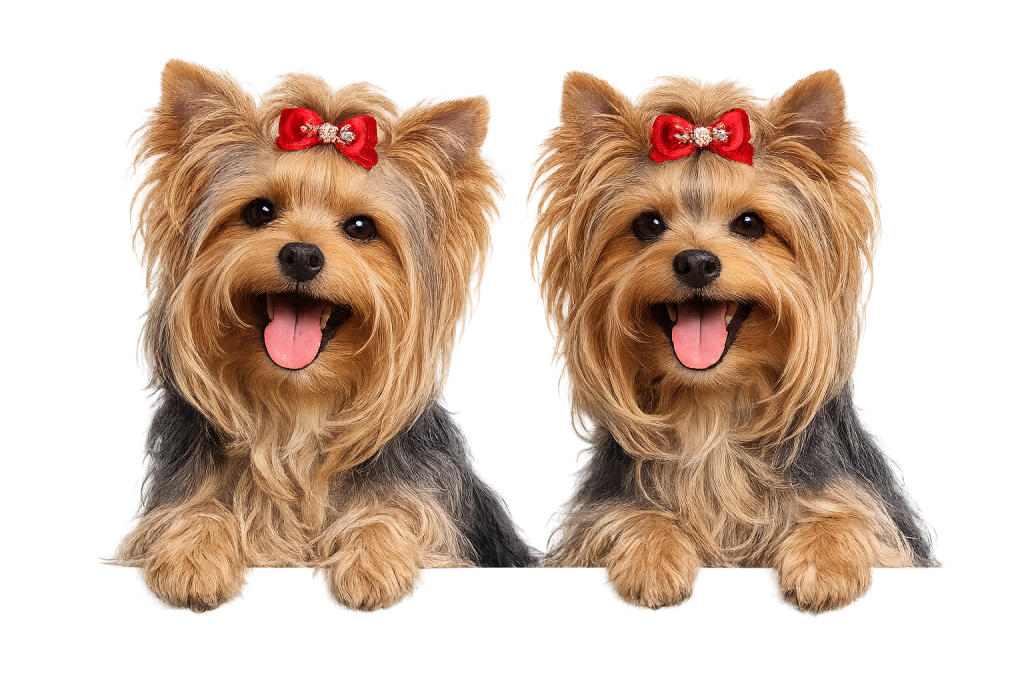
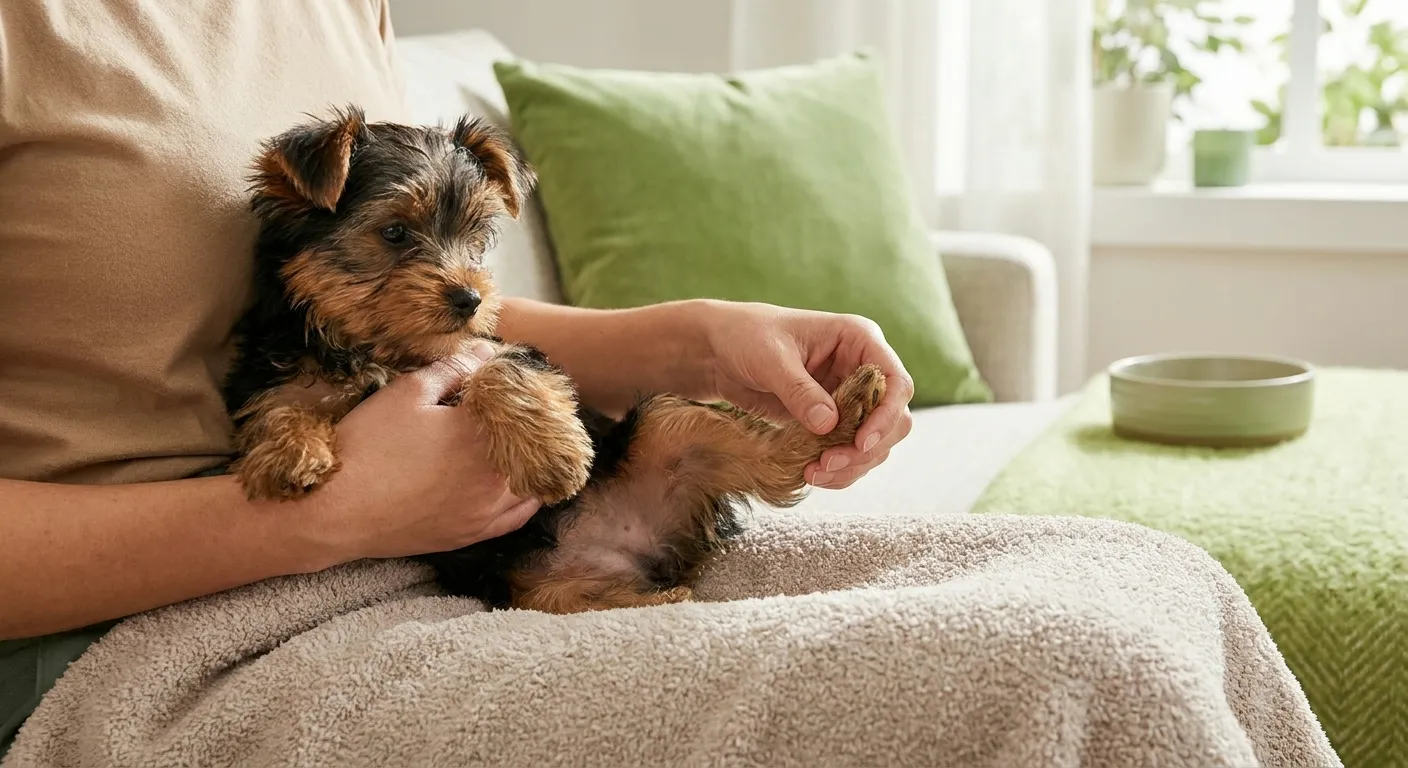
Luxating patella is a prevalent orthopedic condition in small breeds like Yorkshire Terriers, where the kneecap (patella) dislocates or slips out of its normal groove. While often hereditary, there are proactive steps owners can take to help prevent Yorkie luxating patella or manage its severity, ensuring their tiny companions lead comfortable lives. Understanding this condition and implementing preventative measures is crucial for any Yorkie owner.
Understanding Luxating Patella in Yorkies
Luxating patella typically affects the hind legs and can range from mild, intermittent skipping to severe lameness. Yorkies are particularly predisposed due to their small size and genetic factors affecting joint structure. Moreover, the condition can be exacerbated by obesity, trauma, or excessive strain on the knee joint. Symptoms include a hopping gait, holding a leg up for a few steps, reluctance to jump, or pain. Early detection is vital; therefore, regular veterinary check-ups that include joint evaluations are highly recommended, especially for puppies and young adults. Your vet can assess the grade of luxation and discuss potential long-term implications. Furthermore, understanding the genetic predisposition is a key step in recognizing the risks for your beloved Adorable Yorkie.
Practical Steps to Prevent Yorkie Luxating Patella
While you cannot change genetics, several lifestyle and environmental factors can help prevent Yorkie luxating patella or minimize its impact. Maintaining a healthy weight is paramount; even a few extra pounds can put significant strain on delicate knee joints. Provide controlled, low-impact exercise appropriate for a Yorkie’s size, avoiding high jumps or strenuous activities that twist the knee. Consider supplementing their diet with joint-supporting nutrients like glucosamine and chondroitin, always under veterinary guidance. Create a safe home environment by using pet ramps or stairs to prevent jumping off furniture and ensure flooring isn’t too slippery, which can lead to slips and falls that aggravate the condition.
By taking a proactive approach to your Yorkie’s joint health, you can significantly contribute to their comfort and mobility. Regular veterinary care, weight management, and a joint-friendly environment are your best tools in preventing or managing luxating patella in your cherished Yorkshire Terrier.
Recognizing the Signs of a Dislocating Kneecap
For Yorkie owners, recognizing the subtle signs of a luxating patella is incredibly important. Initially, you might notice your Yorkie occasionally skipping a step or holding one hind leg up for a moment before returning to normal. This intermittent lameness is often the first indicator. As the condition progresses, your dog might show more consistent limping, reluctance to bear weight on the affected leg, or pain when the knee is manipulated. You might also observe a popping or clicking sound when they walk. In addition, some Yorkies may become less active or hesitant to perform activities they once enjoyed, such as jumping on furniture or running. Always consult your veterinarian if you notice any of these symptoms. Early intervention can make a significant difference in managing this condition and helping to prevent Yorkie luxating patella from worsening.
Moreover, observing your Yorkie during play can provide valuable clues. Is there any hesitation before jumping? Do they favor one leg after a burst of activity? Documenting these observations can be very helpful for your vet during examinations. Furthermore, regular grooming sessions offer a perfect opportunity to gently feel your dog’s legs and note any tenderness or swelling around the knee area. For top-quality grooming tools, consider reviewing our GLADOG Professional 5 in 1 Dog Grooming Scissors Set.
Dietary Strategies to Support Joint Health
Nutrition plays a crucial role in overall health, and especially in supporting joint integrity. A balanced diet helps maintain an ideal weight, which is fundamental to help prevent Yorkie luxating patella. Overweight Yorkies place excessive stress on their knee joints, increasing the risk and severity of patellar luxation. Therefore, feeding a high-quality diet appropriate for small breeds is essential. Look for dog foods that list real meat as the primary ingredient and avoid fillers or artificial additives. We have more information on Wholesome Recipes for Happy Yorkies that can guide your choices.
Furthermore, certain supplements can be beneficial. Glucosamine and chondroitin are widely recognized for their joint-supporting properties, helping to maintain cartilage and joint fluid. Omega-3 fatty acids, found in fish oil, also possess anti-inflammatory benefits that can alleviate joint discomfort. However, it is crucial to discuss any supplementation with your veterinarian to ensure appropriate dosage and suitability for your individual Yorkie. They can recommend specific brands and formulations tailored to your dog’s needs. Remember, a healthy diet is a cornerstone of preventing many health issues, including those affecting joint health. Learning about Toxins in Foods for Yorkies is also vital for their well-being.
Exercise and Activity Guidelines for Yorkies
Appropriate exercise is vital for maintaining muscle strength around the knee joint, which helps stabilize the patella. However, the type and intensity of exercise must be carefully managed to avoid exacerbating or causing luxating patella. Controlled, low-impact activities are best for Yorkies. Short, frequent walks on a leash are ideal, allowing them to stretch their legs and build muscle without putting undue stress on their joints. Avoid high-impact activities like excessive jumping, leaping off furniture, or vigorous games that involve sudden stops and twists. These movements can put immense strain on a Yorkie’s delicate knee joints and make it harder to prevent Yorkie luxating patella.
Consider activities like swimming, if your Yorkie enjoys it, as it provides excellent non-weight-bearing exercise. Similarly, gentle playtime in a secure, carpeted area can be beneficial. Always supervise your Yorkie during play and ensure they don’t overexert themselves. Gradually increase the duration and intensity of exercise as your Yorkie builds stamina. Furthermore, incorporating short, structured training sessions can also provide mental stimulation and gentle physical activity. For instance, teaching new tricks can engage their muscles without high impact. Always remember that consistency and moderation are key to protecting your Yorkie’s joints throughout their life. For more insights on their early development, read about Exciting Adventures Await Yorkie Puppy.
Creating a Joint-Friendly Home Environment
Your home environment plays a significant role in preventing injuries that could lead to or worsen luxating patella. Slippery floors, such as hardwood or tile, can cause your Yorkie to splay their legs, putting stress on their knees. Consider placing rugs or carpet runners in high-traffic areas to provide better traction. Additionally, prevent your Yorkie from repeatedly jumping on and off furniture. Even small jumps can cause microtraumas to the knee joint over time. Providing pet ramps or stairs allows them to safely access elevated surfaces like beds and sofas without strain. This simple modification can greatly help to prevent Yorkie luxating patella and protect existing joint health.
Furthermore, ensure your Yorkie has a comfortable, supportive bed that provides adequate cushioning for their joints. Elevated feeders can also reduce strain on their neck and front limbs, indirectly supporting overall posture. Regularly inspect your home for any potential hazards that could lead to falls or awkward landings. For instance, loose wires or cluttered areas can be tripping hazards for small dogs. Creating a safe and thoughtful living space demonstrates your commitment to your Yorkie’s long-term comfort and mobility. Super Soft Fluffy Premium Fleece Pet Blankets can add extra comfort and traction.
The Role of Regular Veterinary Check-ups
Consistent veterinary care is indispensable for managing and helping to prevent Yorkie luxating patella. Regular check-ups allow your veterinarian to monitor your Yorkie’s joint health, detect any early signs of luxation, and provide personalized advice. During these visits, your vet will perform a physical examination, including palpating the knees to assess patellar stability. They can grade any existing luxation and discuss a tailored management plan. This might include recommendations for diet, exercise modifications, supplements, or in some cases, surgical intervention if the condition is severe and causing significant pain or mobility issues.
Beyond physical exams, your vet can offer guidance on maintaining an ideal weight, which is critical for joint health. They can also advise on the most appropriate joint supplements and monitor their effectiveness. Establishing a strong relationship with your veterinarian ensures that you have expert support in proactively addressing your Yorkie’s orthopedic health. Do not hesitate to schedule an appointment if you notice any changes in your Yorkie’s gait or activity levels. Early detection and intervention are key to a better prognosis and maintaining your Yorkie’s quality of life. For more general advice on maintaining your Yorkie’s health, consult your vet about Gentle Digestion for Yorkies.
Understanding the Genetic Component
While environmental factors and lifestyle choices are important, it’s crucial to acknowledge the strong genetic predisposition of Yorkshire Terriers to luxating patella. This condition is often inherited, meaning some Yorkies are born with a shallower patellar groove or structural abnormalities in their knee joint that make them more prone to dislocation. Therefore, when considering a Yorkie puppy, inquire about the orthopedic health history of the parents and their lineage. Reputable breeders will often screen their breeding dogs for luxating patella and other common genetic conditions. Documentation from organizations like the Orthopedic Foundation for Animals (OFA) can provide valuable insights into a puppy’s genetic risk.
Understanding this genetic component doesn’t mean you can’t help to prevent Yorkie luxating patella from manifesting or worsening. Instead, it highlights the importance of combining responsible breeding practices with proactive care. Even if your Yorkie has a genetic predisposition, the preventative measures discussed—weight management, appropriate exercise, and a safe environment—can significantly reduce the chances of the condition developing or progressing to a severe stage. Knowledge of genetics empowers owners to be even more vigilant and proactive in their Yorkie’s care, ensuring they have the best possible chance at a healthy, active life.
When to Consider Surgical Intervention
For many Yorkies, conservative management strategies can effectively control the symptoms of luxating patella and maintain a good quality of life. However, in some cases, particularly with higher grades of luxation (Grade 3 or 4) or when conservative methods fail to alleviate pain and lameness, surgical intervention may be recommended by your veterinarian. The goal of surgery is to stabilize the kneecap within its groove, thereby restoring normal knee function and preventing further damage to the joint. Common surgical techniques include deepening the trochlear groove, realigning the quadriceps mechanism, or moving the tibial crest.
The decision for surgery is a significant one and should be made in close consultation with your veterinarian and potentially a veterinary orthopedic specialist. Factors considered include the severity of the luxation, the dog’s age, overall health, and the impact on their quality of life. Post-operative care is also crucial, involving pain management, restricted activity, and physical rehabilitation to ensure a successful recovery. While surgery can be daunting, it often provides excellent long-term outcomes, allowing Yorkies to live pain-free and active lives. It’s a proactive step when conservative methods aren’t enough to effectively address the condition and help to prevent Yorkie luxating patella from causing chronic suffering. For further reputable information on canine orthopedic health, you may visit the American College of Veterinary Surgeons website.
Long-Term Management and Outlook
Even after successful treatment, whether through conservative methods or surgery, long-term management is essential to ensure your Yorkie’s continued joint health. Luxating patella can sometimes lead to secondary issues like arthritis (osteoarthritis) over time, due to the abnormal wear and tear on the joint cartilage. Therefore, ongoing vigilance and care are necessary. This includes continuing with joint-supporting supplements, maintaining an ideal weight, and providing appropriate, low-impact exercise. Regular follow-up veterinary appointments are also crucial to monitor for any signs of arthritis or recurrence of luxation.
Your veterinarian may recommend periodic X-rays to assess the joint health and progression of any arthritic changes. They can also advise on pain management strategies if arthritis develops, such as anti-inflammatory medications or other therapeutic options. A proactive, consistent approach to your Yorkie’s joint health throughout their life will significantly improve their long-term comfort and mobility. By staying informed and working closely with your vet, you can help your beloved companion enjoy a happy, active life despite the challenges of luxating patella. This holistic approach is key to successfully managing the condition and continuing to prevent Yorkie luxating patella from impacting their quality of life.
Conclusion
Luxating patella is a common concern for Yorkshire Terrier owners, but it doesn’t have to define your dog’s life. By understanding the condition, recognizing its signs, and implementing a proactive approach, you can significantly contribute to your Yorkie’s joint health and overall well-being. From maintaining an ideal weight and providing appropriate exercise to creating a safe home environment and ensuring regular veterinary check-ups, every step you take helps to prevent Yorkie luxating patella or manage its impact. Your dedication to their care ensures your tiny companion can lead a comfortable, active, and joyful life, full of transformative journeys and cherished moments.
FAQ: What is luxating patella in Yorkies?
Luxating patella is an orthopedic condition where the kneecap slips out of its normal groove. It’s common in small breeds like Yorkies, often due to genetic factors, and can cause skipping, limping, or pain.
FAQ: Can diet help with knee cap issues in Yorkies?
Yes, diet plays a crucial role. Maintaining a healthy weight through a balanced diet is paramount. Additionally, supplements like glucosamine, chondroitin, and omega-3 fatty acids can support joint health, but always consult your vet first.
FAQ: What kind of exercise is best for Yorkies to avoid knee problems?
Controlled, low-impact exercise is best. Short, frequent walks and gentle playtime are ideal. Avoid high jumps, sudden twists, or strenuous activities that put excessive strain on their knee joints to help prevent patellar luxation.
FAQ: How can I make my home safer for my Yorkie’s joints?
Use rugs on slippery floors to provide traction and consider pet ramps or stairs to prevent jumping off furniture. These simple modifications reduce stress on their knees and help prevent injuries that could worsen the condition.
FAQ: When should I take my Yorkie to the vet for a knee issue?
You should take your Yorkie to the vet as soon as you notice any signs of lameness, skipping, pain, or reluctance to use a hind leg. Early detection and intervention are crucial for effective management of a dislocating kneecap.